
PCOS Treatment in Delhi

Home » PCOS Treatment in Delhi

PCOS Treatment in Delhi
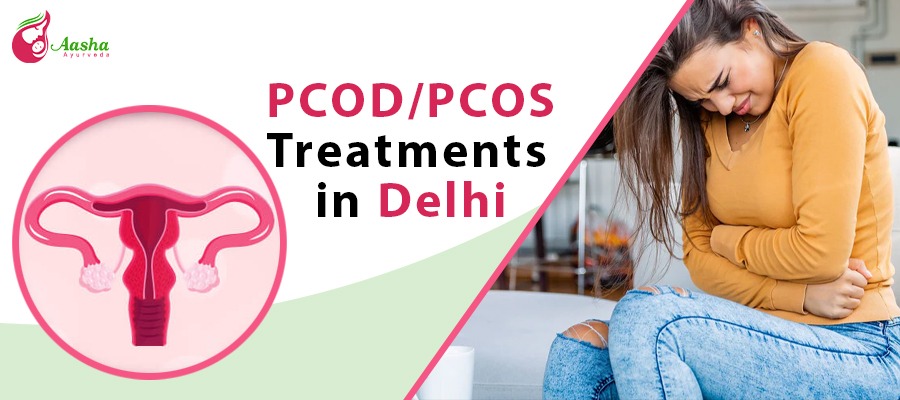
Welcome to Aasha Ayurveda, best Infertility clinic in Delhi and the right destination for PCOS Treatment in Delhi.

At Aasha Ayurveda, we understand all your concerns and try to give our best treatments based on ayurveda in which we compile a range of treatments including herbal medicine, yoga, massage and Panchakarma to encourage your well being.

Why Choose Asha Ayurveda over other Infertility Clinics in Delhi?

Success Rate: We understand that with great power comes great responsibility. We as an experienced team of doctors use the experiences and wisdom of Ayurveda to treat the root cause of your illness to bring out the best in you. These principles have been pillars of strength of the success we have achieved so far.

Patient Care: At Aasha Ayurveda, the patient care has always been given utmost importance. Our doctors take the time to understand your medical history, lifestyle and dietary habits and provide treatment for problems like PCOS/PCOD and Female Infertility Treatment in Delhi.

Affordability: our effort is to make our treatments as affordable as possible. Our treatment plans ensure high quality of treatment at very affordable prices.

What is PCOS?

The polycystic ovarian disease or syndrome occurs due to hormonal imbalances which cause the ovaries to enlarge with small cysts on their outer edges. Females usually experience hair loss, menstrual irregularities, acne, depression, unwanted hair and obesity in their 20s or 30s.

Polycystic ovaries usually contain a large number of follicles or sacs that can be up to 8mm in size but are completely harmless and fluid-filled.

These follicles are embryonic sacs where eggs grow. In PCOS, these sacs are often unable to release an egg, which means that the eggs do not mature and ovulation does not take place.

Causes of PCOS 

The exact cause of PCOS is unknown. It is related to abnormal levels of hormones in the body like insulin. This causes increased levels and activity of hormones like testosterone in the body.

Resistance to insulin 

Increased levels of insulin in the body cause the ovaries to produce more testosterone which interferes with the development of the follicles and thus prevents normal ovulation.

One sign of insulin resistance is the presence of dark, velvety patches of skin on the armpits, the lower part of the neck, and under the breasts or groin. The appetite is increased and there is weight gain.

Hormonal imbalance 

Increased levels of luteinizing hormone stimulate ovulation but if the levels are too high it has an abnormal effect on the ovaries.

Genetics 

PCOS is believed to have a genetic predisposition and often runs in families.

Low-grade inflammation

Read More For.. Doctors For Fallopian Tube Blockage – Aasha Ayurveda

Symptoms of PCOS 

The symptoms of PCOS include:

  • Irregular periods 
  • Weight gain 
  • Hair loss or thinning of hair
  • Acne 
  • Excessive hair on face and back 
  • Mood swings 
  • Depression 
  • Difficulty in conceiving 
  • Sleep apnoea 

Diagnosis 

There are no definite tests for identifying PCOS. Your doctor may recommend:

Blood Tests: these are performed to measure hormone levels like insulin and testosterone.

Ultrasound:it is performed to check the thickness of the lining of the uterus and the appearance of the ovaries. A device called a transducer is placed and images are translated onto a computer.

Pelvic Exam: during this exam, the doctor can check for any abnormal masses or growth in the reproductive organs.

Treatment for PCOS

Treatment PCOD/PCOS through Ayurveda :

The benefits of Ayurveda are well-known to everyone. We aim at:

  • Relaxing mind and body
  • Boosting immunity
  • Providing natural remedies 
  • Enhancing your inner strength 

Diet and Treatment for PCOS

  • Ayurvedic herbs like ashwagandha establish normal blood flow 
  • Herbal medicines like Kanchrana and Shitavari under natural treatment for PCOS
  • Yoga practices to release stress 
  • Non-surgical practices 
  • Personalized attention and care 

Dr Chanchal Sharma: PCOS/ PCOD Treatment in Delhi

Dr Chanchal Sharma is one of the leading Ayurvedic Doctors and experts in Ayurvedic medicine with over a decade of experience. She has helped many women dealing with PCOS, PCOD in Delhi and other ailments like Female infertility. She is well aware of the up-to-date developments in Ayurvedic medicine through education. She believes in having a personal relationship with the patients to understand and help them better.

She completed her Bachelor of Ayurvedic Medicine and Surgery (BAMS) degree from the prestigious Rajiv Gandhi University of Health Sc.iences in BangalScienceshas also pursued further studies in Ayurveda and obtained her Master’s in Ayurvedic Medicine and Surgery (M. Ayurveda) from the esteemed Tilak Ayurveda Mahavidyalaya in Pune.


Similar Posts

  • PCOS Treatment In Ayurveda In Hindi

    PCOS के साथ गर्भधारण कैसे करे? महिलाओं के गर्भवती होने में परेशानी पैदा करने वाली सबसे बडी समस्याओ में से एक पीसीओएस (Pcos) भी हैं । यह एक हार्मोन से सम्बंधित प्रॉब्लम होती हैंं, जो प्रजनन प्रणाली के अंतगर्त  काम करने की प्रोसेस को प्रभावित करता हैं । कुछ महिलाओं को तब तक पता नहीं…

  • Ayurvedic Treatment for PCOD – Aasha Ayurveda Doctor Chanchal Sharma

    Ayurvedic treatment for PCOD || What is PCOD ? Nowadays , due to changing lifestyles , unhealthy food habits , and lack of physical activity , people are facing many problems . Especially if we talk about women , they have to juggle the responsibilities of home and family as well as work space , due to which they are unable to give time to themselves , and this gradually starts having a negative impact on their health . These small things that women keep ignoring can later lead to major health problems . One of these is PCOD . Let ‘s find out in this blog post what is PCOD , what are its causes , symptoms , and treatment ?​​​​​​​​                       What is PCOD ? ( PCOD kya hota h?) PCOD is a hormonal disorder that occurs in women of reproductive age ( 15 to 45 ) . The full form of PCOS and PCOD is Polycystic Ovarian Disease . To understand what PCOD is ( PCOD  kya hota hai ) , one must study this disease carefully . Under this disease , small cysts start forming in a woman ‘s ovaries , which look like lumps in shape .​​​   If PCOD is not treated promptly , itcanleadtoinfertilityinwomen.WomenwithPCODoftenexperienceirregularperiods,includingsevereabdominalpainandcramps.WomenwithPCODalsoexperienceincreasedlevelsofmalehormones,leadingtofacialhairgrowth,weightgain,andacne.​​​​​​​​​​​​​​​​​​​​​​​​​​​​​​​​   What are the causes of PCOD ? (PCOD ke karan kya hote hain ?)  What are the symptoms of PCOD ? (PCOD ke lakshan kya hote hain and what is PCOD problem?)  PCOD is a common condition in women caused by hormonal imbalance and has many symptoms . To understand PCOD , it ‘s important to understand its symptoms . PCOD symptoms can vary from woman to woman , depending on their physical condition , genetics , and other factors . Here are some common symptoms of PCOD :​​​​​​​​​​​​​​       How long does the treatment of PCOD last / in how many days does PCOD get cured ?  PCOD has become quite common these days . It is a hormonal imbalance – related disorder that is treatable . However , to fully resolve it , patients may need to make some lifestyle changes . Women with PCOD should exercise regularly and pay special attention to their diet . Ayurveda uses herbal remedies to treat PCOD . Maintaining control is essential in this situation .​​​​​​​​​​​​​​​   How to diagnose PCOD ?​ To properly treat PCOD , you must first understand its causes . To understand the causes of PCOD , you need to pay attention to its symptoms . If you experience any of the  above symptoms , consult a gynecologist . Your healthcare provider may recommend the following tests :​​​​​​​​ How is PCOD treated ?​​​ Treatment for PCOD can vary from woman to woman , depending on the symptoms . Because a complete cure for PCOD is n’t possible , the symptoms determine the appropriate treatment . You can manage its symptoms by leading a healthy lifestyle and eating healthy foods . Here are some lifestyle changes you can make to help manage PCOD :​​​​​​​​​​​​​​​​​​​​​​​​​​   Can women with PCOD become pregnant ?​​​  Women often wonder whether they can become mothers after being diagnosed with PCOD . This question is valid , as this hormonal disorder affects lifestyle . Women with PCOD may take longer to conceive than other women . They may face various complications during pregnancy . Therefore , they especially need to make lifestyle changes to help them achieve their dream of becoming a mother .​​​​​​​​​​​​​​​​​​​​​​​​​​​   Not all women with PCOD have the same symptoms , so conceiving is easier for some . Some women with PCOD have irregular periods , making it difficult to track their ovulation . Without a track record of ovulation , it becomes difficult for them to know their most fertile days , the days when intercourse will most likely lead to pregnancy .​​​​​​​​​​​​​​​​​​   Ayurvedic Treatment of PCOD​​  Ayurvedic treatment aims to eradicate any disease from its roots . The underlying cause is first identified , then treated to permanently free you from the disease . Treatment is often tailored to the individual ‘s abilities , which can vary . However , it is recommended that you consult an Ayurvedic specialist before undertaking any therapy or medication , as this reduces the risk .​​​​​​​​​​​​​​​​​​​​​​​​​​   Panchakarma treatments are recommended to treat the underlying cause by removing toxins from the reproductive system and strengthening various organs such as the uterus , ovaries , and fallopian tubes . This Panchakarma treatment also helps maintain the body ‘s hormonal balance .​​​​​​    Conclusion​ This disorder , caused by hormonal imbalance , can affect any woman in the reproductive age group . Women affected by this disorder develop cysts in their ovaries , causing significant discomfort during their periods . Treatment is possible , but lifestyle changes are crucial . You need to adopt a healthy lifestyle and exercise regularly to maintain hormonal balance .​​​​​​​​​​​​​​​   Which test is done to check PCOD ? ​​​ To check PCOD , the doctor does a physical examination , blood test and measures the level of LH ( luteinizing hormone ) present in the blood .    FAQs  :  Frequently Asked Questions​​ Q. What is the problem caused by PCOD ?  PCOD is a hormonal imbalance disorder that can affect women between the ages of 15 and 45. PCOD causes irregular periods , severe abdominal pain , and cramps during periods . They may also develop unwanted facial hair and pimples .​​​​​​​​​​​​​​​​​​​​   Q.  How will I know if PCOD has been cured ?​ …

  • Ayurvedic Treatment For Fallopian Tube Blockage Treatment In Hindi

    Fallopian Tube Blockage Treatment In Hindi  शिशु को जन्म देना हर औरत के लिए एक गौरवशाली पल होता है और बहुत सुखद अहसास होता है । वह अनेकों पीड़ाओं से गुजर कर एक नई जिंदगी को अपने उदर से जन्म देती है । जब शिशु का मुंह देखती है तो अपनी सारी पीड़ायें भूल जाती…

  • Urinary Tract Infection In Women

    महिलाओं में यूरिन इन्फेक्शन के लक्षण (Urinary Tract Infection In Women)  यूरिनरी ट्रैक्ट इन्फेक्शन क्या होता है ? UTI या यूरिनरी ट्रैक्ट इन्फेक्शन एक ऐसी बीमारी है जो आमतौर पर अपनी पूरी ज़िंदगी में हर पुरुष और महिला ने एक न एक बार जरूर महसूस किया होगा। यह इ कोलाई बैक्टीरिया के कारण होने वाली…

  • How Age Affects Your Fertility – Insights from Aasha Ayurveda Clinic

    How Age Affects Your Fertility – Insights from Aasha Ayurveda Clinic Have you ever heard your elders say, “Get married and have children at the right time, or it could get difficult later”? While many young people today might dismiss this advice as outdated, modern science and Ayurvedic wisdom both support this idea — age…

  • How To Conceive Pregnancy Fast – महीने के अंदर जल्दी और नेचुरल तरीके के गर्भवती होने के उपाय

    गर्भवती होने के तरीके के बारे में आपके कई प्रश्न हो सकते हैं, खासकर यदि आपकी कोई अंतर्निहित स्थिति है। अपनी प्रजनन क्षमता को बेहतर बनाने के लिए अपने शरीर की देखभाल करना एक अच्छा पहला कदम है। लेकिन बच्चा पैदा करने की उनकी बाधाओं को सुधारने के लिए आप और क्या कर सकते हैं?…

Leave a Reply

Your email address will not be published. Required fields are marked *