
How to Increase Sperm Count Naturally: Complete Guide to Improve Male Fertility in 2026
Male infertility is becoming increasingly common, with low sperm count contributing to nearly half of infertility cases worldwide. Modern lifestyle habits such as chronic stress, unhealthy eating, lack of exercise, smoking, alcohol consumption, obesity, poor sleep, and environmental pollutants can all negatively affect sperm production and reproductive health.
The good news is that sperm production is a continuous biological process. In many cases, adopting healthier habits, improving nutrition, correcting vitamin deficiencies, managing underlying medical conditions, and seeking timely medical advice can help improve sperm count and overall fertility over time.
Whether you are planning for pregnancy, have recently received a semen analysis report showing a low sperm count, or simply want to improve your reproductive health, this guide provides evidence-based information along with natural lifestyle recommendations and Ayurvedic approaches to support male fertility.
In this comprehensive guide, you’ll learn:
- What is considered a normal sperm count?
- Common causes of low sperm count
- Symptoms to watch for
- Foods and nutrients that support healthy sperm production
- Lifestyle habits that improve sperm quality
- Natural and Ayurvedic approaches to male fertility
- When to consult a fertility specialist
What Is a Healthy Sperm Count?
Sperm count refers to the number of sperm present in one milliliter (mL) of semen. It is one of the key parameters evaluated during a semen analysis and plays an important role in male fertility. While sperm count alone does not determine fertility, healthy sperm movement (motility), shape (morphology), and semen volume are equally important for successful conception.
According to the World Health Organization (WHO) Laboratory Manual (6th Edition), the following values are generally considered healthy reference ranges:
| Semen Parameter | Healthy Reference Value |
| Sperm Concentration | ≥15 million sperm/mL |
| Total Sperm Count | ≥39 million per ejaculation |
| Progressive Motility | ≥32% |
| Total Motility | ≥42% |
| Normal Morphology | ≥4% |
| Semen Volume | ≥1.4 mL |
| Semen pH | 7.2–8.0 |
Note: These values are reference ranges and should always be interpreted by a qualified healthcare professional in conjunction with your medical history and fertility goals.
Understanding Different Types of Low Sperm Count
Mild Oligospermia
Sperm concentration ranges between 10–15 million/mL. Many men with mild oligospermia can still achieve pregnancy naturally with lifestyle improvements and appropriate treatment.
Moderate Oligospermia
Sperm concentration ranges between 5–10 million/mL. Fertility may be reduced, and medical evaluation is recommended to identify underlying causes.
Severe Oligospermia
Sperm concentration is below 5 million/mL. Specialist evaluation is essential, and treatment options may include medications, surgery (where indicated), or assisted reproductive techniques.
Azoospermia
No sperm are detected in the semen sample. This condition requires prompt evaluation by a urologist or fertility specialist to determine the cause and discuss appropriate treatment options.
Why Does Sperm Count Matter?
Healthy sperm count increases the likelihood that enough sperm will reach and fertilize an egg. However, fertility depends on several interconnected factors, including:
- Sperm concentration
- Sperm motility (movement)
- Sperm morphology (shape)
- DNA integrity
- Hormonal balance
- Overall reproductive health of both partners
A normal sperm count does not always guarantee fertility, and a lower count does not necessarily prevent conception. Many couples successfully conceive with proper diagnosis, treatment, and lifestyle modifications.
Signs and Symptoms of Low Sperm Count
Many men with low sperm count experience no noticeable symptoms until they begin trying to conceive. In some cases, low sperm count may be associated with underlying hormonal or medical conditions that produce additional signs.
Common symptoms may include:
Difficulty Conceiving
The most common indication is an inability to achieve pregnancy after 12 months of regular, unprotected intercourse (or sooner depending on age and medical history).
Reduced Sexual Desire
Low testosterone or hormonal imbalances may contribute to a decrease in libido.
Erectile Dysfunction
Some hormonal disorders associated with male infertility may also affect erectile function.
Small or Soft Testicles
Changes in testicular size or consistency may indicate reduced sperm production or hormonal abnormalities.
Pain or Swelling in the Testicles
Conditions such as varicocele, infection, or inflammation may impair sperm production and should be evaluated by a healthcare provider.
Decreased Facial or Body Hair
Reduced androgen (male hormone) levels may result in changes to body hair distribution.
History of Recurrent Miscarriages
In some cases, poor sperm DNA quality may contribute to recurrent pregnancy loss.
What Causes Low Sperm Count?
Low sperm count can result from a combination of lifestyle, medical, environmental, and genetic factors. Identifying the underlying cause is essential for choosing the most effective treatment.
Lifestyle Factors
Smoking
Cigarette smoking has been associated with reduced sperm concentration, impaired motility, and increased oxidative stress, which can negatively affect sperm DNA.
Excessive Alcohol Consumption
Heavy alcohol intake may lower testosterone levels and interfere with normal sperm production.
Obesity
Being overweight can disrupt hormone balance, increase inflammation, and impair reproductive function.
Poor Diet
A diet high in processed foods, sugary beverages, and trans fats may reduce antioxidant levels and negatively impact sperm quality.
Lack of Exercise
Regular physical activity supports hormonal health, weight management, and improved circulation. However, excessive overtraining may have the opposite effect.
Chronic Stress
Persistent stress may elevate cortisol levels, interfere with hormone production, and reduce testosterone, potentially affecting sperm production.
Poor Sleep
Sleep deprivation has been linked to reduced testosterone levels and poorer semen quality.
Medical Conditions
Several health conditions can interfere with sperm production or transport, including:
- Varicocele
- Hormonal imbalances
- Diabetes
- Thyroid disorders
- Sexually transmitted infections
- Mumps orchitis
- Undescended testicles
- Genetic disorders
- Autoimmune diseases
- Previous reproductive surgery
Early diagnosis and appropriate treatment may improve fertility outcomes.
Environmental Factors
Long-term exposure to environmental hazards may affect reproductive health.
Examples include:
- Industrial chemicals
- Heavy metals
- Pesticides
- Radiation
- Air pollution
- High workplace temperatures
- Frequent sauna or hot tub use
Medications That May Affect Fertility
Some medications may temporarily or permanently affect sperm production.
Examples include:
- Anabolic steroids
- Certain chemotherapy drugs
- Testosterone replacement therapy
- Some antifungal medications
- Selected antibiotics
- Certain blood pressure medications
Do not stop prescribed medication without consulting your doctor.
Foods That Increase Sperm Count Naturally
Nutrition plays an essential role in maintaining healthy sperm production. A balanced diet rich in antioxidants, vitamins, minerals, and healthy fats can help reduce oxidative stress and support reproductive health.
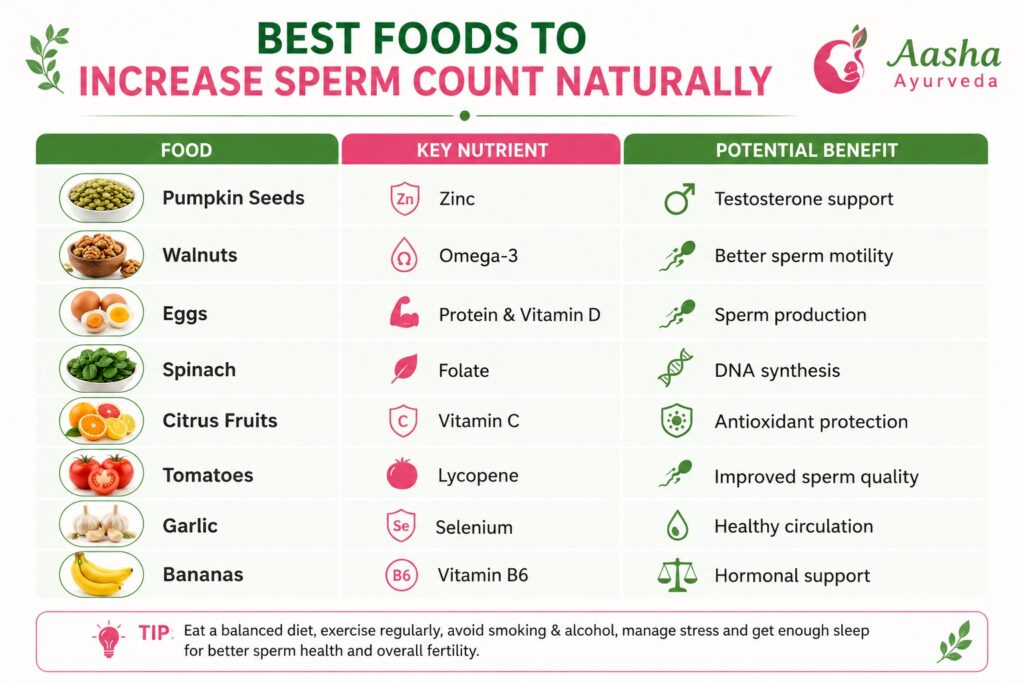
Pumpkin Seeds
Pumpkin seeds are an excellent source of zinc, a mineral essential for testosterone production and sperm development.
Benefits
- Supports healthy testosterone levels
- Promotes sperm formation
- Rich in antioxidants
Walnuts
Walnuts provide omega-3 fatty acids, which support sperm membrane integrity and motility.
Benefits
- Improves sperm movement
- Reduces inflammation
- Supports cardiovascular health
Eggs
Eggs supply high-quality protein along with vitamins B12 and D, nutrients involved in hormone production and cellular repair.
Benefits
- Supports sperm production
- Helps maintain muscle and hormone health
Spinach
Spinach is naturally rich in folate, iron, magnesium, and antioxidants.
Benefits
- Supports DNA synthesis
- May improve sperm quality
- Reduces oxidative stress
Citrus Fruits
Oranges, lemons, sweet lime, and grapefruit are rich in vitamin C, a powerful antioxidant.
Benefits
- Protects sperm DNA
- Improves sperm motility
- Supports immune health
Tomatoes
Tomatoes contain lycopene, an antioxidant studied for its potential role in improving semen quality.
Benefits
- Supports healthy sperm concentration
- Helps reduce oxidative damage
Garlic
Garlic contains selenium and allicin, compounds known for their antioxidant properties.
Benefits
- Improves blood circulation
- Supports reproductive health
Bananas
Bananas provide vitamin B6, vitamin C, potassium, and natural carbohydrates.
Benefits
- Supports hormone balance
- Provides sustained energy
- Contributes to overall reproductive health
Summary of Fertility-Supporting Foods
| Food | Key Nutrient | Potential Benefit |
| Pumpkin Seeds | Zinc | Testosterone support |
| Walnuts | Omega-3 | Better sperm motility |
| Eggs | Protein & Vitamin D | Sperm production |
| Spinach | Folate | DNA synthesis |
| Citrus Fruits | Vitamin C | Antioxidant protection |
| Tomatoes | Lycopene | Improved sperm quality |
| Garlic | Selenium | Healthy circulation |
| Bananas | Vitamin B6 | Hormonal support |
Best Vitamins and Minerals to Increase Sperm Count Naturally
Nutrition plays a significant role in male reproductive health. Sperm cells are highly sensitive to oxidative stress, which can damage their DNA, reduce motility, and lower fertility. A diet rich in antioxidants, vitamins, and essential minerals may help protect sperm cells and support healthy sperm production.
Important: Supplements should only be taken after consulting a healthcare professional, especially if you have underlying medical conditions or are taking prescription medications.
Zinc
Zinc is one of the most important minerals involved in testosterone production and sperm development. Zinc deficiency has been associated with reduced sperm count and impaired sperm quality.
Potential Benefits
- Supports testosterone production
- Helps maintain healthy sperm concentration
- May improve sperm motility
- Supports reproductive hormone balance
Natural Food Sources
- Pumpkin seeds
- Chickpeas
- Cashews
- Oysters
- Lean meat
- Lentils
Vitamin D
Vitamin D receptors are present in reproductive tissues, and maintaining adequate vitamin D levels may support male fertility.
Potential Benefits
- Supports testosterone production
- May improve sperm motility
- Supports immune and hormonal health
Food Sources
- Egg yolk
- Fatty fish
- Fortified dairy products
- Sunlight exposure
Vitamin C
Vitamin C acts as a powerful antioxidant that helps protect sperm cells from oxidative damage.
Potential Benefits
- Protects sperm DNA
- Improves sperm motility
- Supports healthy sperm morphology
- Reduces oxidative stress
Food Sources
- Oranges
- Kiwi
- Guava
- Amla
- Strawberries
- Bell peppers
Selenium
Selenium is involved in sperm maturation and antioxidant defense.
Benefits
- Supports sperm motility
- Helps maintain healthy sperm structure
- Protects reproductive cells
Food Sources
- Brazil nuts
- Eggs
- Tuna
- Chicken
- Whole grains
Folate (Vitamin B9)
Folate supports DNA synthesis and cell division, both of which are important for sperm production.
Sources
- Spinach
- Broccoli
- Lentils
- Avocado
- Beans
Omega-3 Fatty Acids
Healthy fats help maintain sperm membrane flexibility and support motility.
Food Sources
- Salmon
- Sardines
- Walnuts
- Chia seeds
- Flaxseeds
Coenzyme Q10 (CoQ10)
CoQ10 functions as an antioxidant and supports cellular energy production.
Several studies suggest that CoQ10 supplementation may improve sperm concentration and motility in some men, although more research is needed.
L-Carnitine
L-Carnitine helps transport fatty acids into cells for energy production and has been studied for its role in improving sperm motility.
Best Nutrients for Male Fertility
| Nutrient | Main Benefit | Natural Sources |
| Zinc | Testosterone & sperm production | Pumpkin seeds, meat |
| Vitamin D | Hormonal balance | Sunlight, eggs |
| Vitamin C | Antioxidant protection | Citrus fruits |
| Selenium | Better motility | Brazil nuts |
| Folate | DNA synthesis | Leafy vegetables |
| Omega-3 | Healthy sperm membrane | Fish, walnuts |
| CoQ10 | Cellular energy | Fish, organ meat |
| L-Carnitine | Improved motility | Red meat |
Ayurvedic Treatment for Low Sperm Count
Ayurveda views male fertility as a reflection of overall health, digestion, hormonal balance, and tissue nourishment. Traditional Ayurvedic practice aims to improve reproductive wellness through individualized dietary guidance, lifestyle changes, and herbal formulations under the supervision of a qualified Ayurvedic physician.
Ashwagandha (Withania somnifera)
Ashwagandha is one of the most commonly used Ayurvedic herbs for male reproductive health.
Traditionally Used For
- Managing stress
- Supporting testosterone levels
- Promoting reproductive wellness
Shilajit
Purified Shilajit has traditionally been used as a rejuvenating herb in Ayurveda.
Traditionally Used For
- Improving vitality
- Supporting energy levels
- Enhancing overall wellness
Safed Musli
Safed Musli is traditionally used in Ayurvedic formulations for reproductive health.
Potential Benefits
- Supports stamina
- Promotes vitality
- Supports reproductive tissue nourishment
Gokshura
Gokshura has traditionally been used for urinary and reproductive health.
Kapikacchu (Mucuna pruriens)
Kapikacchu contains naturally occurring L-DOPA and has been studied for its potential role in supporting reproductive health.
Amla
Amla is naturally rich in Vitamin C and antioxidants.
Benefits
- Reduces oxidative stress
- Supports immunity
- Supports healthy reproductive tissues
Lifestyle Changes That May Improve Male Fertility
Healthy lifestyle habits often have a significant impact on reproductive health.
Maintain Healthy Weight
Obesity may disrupt hormone production and reduce sperm quality.
Sleep 7–9 Hours Daily
Healthy sleep supports testosterone production and sperm formation.
Quit Smoking
Smoking has consistently been linked with lower sperm quality.
Limit Alcohol Intake
Heavy alcohol consumption may negatively affect testosterone production.
Manage Stress
Stress management techniques such as meditation, yoga, breathing exercises, and counseling may improve overall well-being.
Stay Hydrated
Adequate hydration supports normal body functions, including semen production.
Best Exercises to Improve Male Fertility
Regular exercise supports circulation, hormone balance, weight management, and overall reproductive health.
Walking
30–45 minutes of brisk walking most days of the week can support cardiovascular and hormonal health.
Strength Training
Moderate resistance training may support testosterone production.
Examples
- Squats
- Deadlifts
- Push-ups
- Pull-ups
Yoga
Several yoga postures may help reduce stress and improve flexibility.
Popular poses include:
- Bhujangasana
- Setu Bandhasana
- Baddha Konasana
- Vajrasana
Kegel Exercises
Kegel exercises strengthen pelvic floor muscles and may improve reproductive and urinary health in some men.
Swimming
Swimming provides a low-impact full-body workout while supporting weight management.
Exercises to Avoid
Excessive exercise or anabolic steroid use may negatively affect fertility.
Avoid:
- Long-term steroid use
- Extreme endurance training without recovery
- Prolonged cycling without proper seat support
How to Improve Sperm Motility Naturally
Sperm motility refers to the ability of sperm to move efficiently toward the egg.
Poor motility may reduce the chances of natural conception.
Increase Antioxidants
Consume foods rich in:
- Vitamin C
- Vitamin E
- Selenium
- Zinc
- Lycopene
Exercise Regularly
Moderate exercise supports circulation and hormone balance.
Maintain Healthy Weight
Weight loss may improve hormone balance in overweight individuals.
Avoid Excessive Heat
Avoid:
- Hot tubs
- Sauna use
- Tight underwear
- Keeping laptops directly on the lap for extended periods
Treat Underlying Medical Conditions
Conditions such as varicocele, infections, hormonal disorders, and diabetes should be evaluated and treated appropriately.
How to Improve Sperm Morphology
Sperm morphology refers to the size and shape of sperm cells.
Healthy morphology helps sperm penetrate and fertilize the egg.
Tips to Support Healthy Morphology
- Eat antioxidant-rich foods
- Maintain healthy body weight
- Avoid smoking
- Limit alcohol
- Exercise regularly
- Manage stress
- Get adequate sleep
- Seek medical evaluation for persistent fertility concerns
Foods to Avoid for Better Male Fertility
Certain dietary habits may negatively affect sperm quality.
Limit or avoid:
- Processed meat
- Fried foods
- Sugary beverages
- Trans fats
- Excess refined carbohydrates
- Excess alcohol
- Tobacco products
Instead, choose a balanced diet rich in fruits, vegetables, whole grains, lean proteins, healthy fats, and adequate hydration.
Can Stress Reduce Sperm Count?
Chronic stress may increase cortisol levels, which can interfere with reproductive hormones such as testosterone.
High stress levels may also contribute to:
- Poor sleep quality
- Unhealthy eating habits
- Reduced libido
- Fatigue
- Anxiety
Managing stress through exercise, meditation, counseling, and relaxation techniques can support overall health and may contribute to improved reproductive well-being.
How Long Does It Take to Increase Sperm Count Naturally?
One of the most common questions men ask is, “How long will it take to improve my sperm count?” The answer depends on the underlying cause, lifestyle habits, and whether there are any medical conditions affecting fertility.
Sperm production, known as spermatogenesis, takes approximately 64–74 days. After sperm are produced, they require additional time to mature and travel through the reproductive tract. Because of this natural cycle, noticeable improvements in semen quality often take 2–3 months, and in some cases longer.
Typical Improvement Timeline
| Time | What You May Notice |
| 2–4 Weeks | Better energy levels, healthier lifestyle habits, improved sleep |
| 6–8 Weeks | Hormonal balance may begin improving in some individuals |
| 2–3 Months | Changes in sperm count, motility, and morphology may become noticeable |
| 3–6 Months | Continued improvements if healthy habits are maintained and underlying issues are treated |
Consistency is essential. A balanced diet, regular exercise, stress management, adequate sleep, and medical guidance where needed can all contribute to better reproductive health over time.
Medical Treatments for Low Sperm Count
If lifestyle changes alone do not improve fertility, your healthcare provider may recommend additional medical evaluation and treatment based on the underlying cause.
Medications
Medications may be prescribed when hormonal imbalances, infections, or other treatable conditions are identified. Treatment plans vary from person to person and should only be started under medical supervision.
Varicocele Surgery
A varicocele is an enlargement of veins within the scrotum that may affect sperm production. In selected cases, surgical correction may improve semen parameters.
Hormone Therapy
Men with hormone-related infertility may benefit from treatment aimed at restoring hormonal balance. The choice of therapy depends on laboratory findings and specialist evaluation.
Antibiotic Therapy
If a bacterial infection is contributing to infertility, appropriate antibiotics may be prescribed.
Assisted Reproductive Technologies (ART)
When natural conception is difficult, fertility specialists may recommend assisted reproductive techniques such as:
- Intrauterine Insemination (IUI)
- In Vitro Fertilization (IVF)
- Intracytoplasmic Sperm Injection (ICSI)
The most suitable option depends on both male and female fertility factors.
Natural vs Medical Treatment for Low Sperm Count
| Natural Approaches | Medical Treatments |
| Healthy diet | Prescription medications |
| Regular exercise | Hormone therapy |
| Weight management | Varicocele surgery |
| Stress reduction | Infection treatment |
| Adequate sleep | IVF / ICSI |
| Avoid smoking & alcohol | Specialist fertility care |
| Ayurvedic support (under guidance) | Personalized reproductive treatment |
Many men benefit from combining healthy lifestyle habits with evidence-based medical care under the supervision of qualified healthcare professionals.
Common Myths About Sperm Count
Myth 1: Low sperm count means you can never become a father.
Fact: Many men with low sperm count conceive naturally or with appropriate medical support.
Myth 2: Only older men experience fertility problems.
Fact: Male fertility issues can occur at any age due to lifestyle, medical, or genetic factors.
Myth 3: Taking random supplements will automatically increase sperm count.
Fact: Supplements may help only in certain situations. Identifying and treating the underlying cause is more important than self-medicating.
Myth 4: Tight underwear is the only cause of low sperm count.
Fact: While excessive heat may affect sperm production, fertility is influenced by many factors including hormones, nutrition, medical conditions, and overall lifestyle.
Myth 5: Fertility problems are always caused by women.
Fact: Male factors contribute to approximately half of infertility cases. Both partners should undergo evaluation when pregnancy is delayed.
When Should You Consult a Fertility Specialist?
Seek professional medical advice if you experience any of the following:
- You and your partner have been trying to conceive for 12 months without success (or sooner if the female partner is over 35 years of age).
- You have a history of undescended testicles, varicocele, or reproductive surgery.
- You have had chemotherapy or radiation treatment.
- Your semen analysis shows abnormal results.
- You have erectile dysfunction or significantly reduced libido.
- You experience testicular pain, swelling, or injury.
- You have recurrent miscarriages with your partner.
Early evaluation often improves the chances of successful treatment.
Frequently Asked Questions
Q1. Can sperm count increase naturally?
Yes. In many cases, healthy lifestyle changes such as improved nutrition, regular exercise, adequate sleep, stress management, and treatment of underlying medical conditions may support healthy sperm production.
Q2. Which foods are best for increasing sperm count?
Foods rich in zinc, vitamin C, omega-3 fatty acids, selenium, folate, and antioxidants—such as pumpkin seeds, walnuts, citrus fruits, leafy greens, eggs, and fatty fish—may support reproductive health.
Q3. Does exercise improve male fertility?
Moderate regular exercise can support healthy hormone levels, weight management, and overall reproductive health.
Q4. Does smoking affect sperm count?
Yes. Smoking has been associated with reduced sperm concentration, motility, and DNA quality.
Q5. Can alcohol reduce fertility?
Heavy alcohol consumption may negatively affect testosterone production and semen quality.
Q6. How much sleep is important for fertility?
Most adults should aim for 7–9 hours of quality sleep each night to support overall hormonal health.
Q7. Can stress lower sperm count?
Chronic stress may interfere with hormone balance and overall reproductive health.
Q8. Is low sperm count permanent?
Not always. Some causes are temporary and improve with treatment or lifestyle changes, while others require long-term medical care.
Q9. Can Ayurveda help improve male fertility?
Traditional Ayurvedic medicine includes dietary guidance, lifestyle practices, and herbal formulations that may support overall reproductive wellness. Treatment should always be supervised by a qualified Ayurvedic physician.
Q10. Which vitamin is most important for sperm health?
No single vitamin works for everyone. Zinc, vitamin D, vitamin C, selenium, folate, and omega-3 fatty acids are commonly associated with reproductive health.
Q11. Can obesity reduce sperm count?
Yes. Excess body weight may affect hormone levels and semen quality.
Q12. Does age affect male fertility?
Yes. While men remain fertile longer than women, increasing age may affect sperm quality, DNA integrity, and fertility potential.
Q13. How often should a semen analysis be repeated?
Your healthcare provider may recommend repeating the test after approximately 2–3 months, depending on your situation
Q14. Can dehydration affect semen volume?
Staying adequately hydrated supports normal body functions, including semen production.
Q15. Should I take fertility supplements without medical advice?
It is best to consult a healthcare professional before starting supplements, as individual needs vary.
Key Takeaways
- Low sperm count is a common but often manageable condition.
- A balanced diet, healthy weight, regular exercise, stress reduction, and adequate sleep support male reproductive health.
- Identifying the underlying cause through proper medical evaluation is essential.
- Lifestyle changes may take 2–3 months or longer before improvements are reflected in a semen analysis.
- Both natural approaches and medical treatments have a role depending on the cause of infertility.
- Early consultation with a fertility specialist can improve treatment outcomes.
Medical References
The information in this guide is based on recommendations and scientific literature from reputable organizations, including:
- World Health Organization (WHO) Laboratory Manual for the Examination and Processing of Human Semen (6th Edition)
- American Urological Association (AUA)
- American Society for Reproductive Medicine (ASRM)
- European Association of Urology (EAU)
- National Institutes of Health (NIH)
- Cochrane Reviews on Male Infertility
- Peer-reviewed studies published in Human Reproduction, Fertility and Sterility, and Andrology
Conclusion
Improving sperm count is rarely about one food, one supplement, or one treatment. Male fertility is influenced by nutrition, lifestyle, hormonal balance, medical conditions, environmental exposures, and overall health. By adopting evidence-based healthy habits and seeking timely medical evaluation when needed, many men can improve their reproductive health and increase their chances of conception.
If you are experiencing persistent fertility concerns, consult a qualified fertility specialist or Ayurvedic physician for a personalized assessment and treatment plan.
Aasha Ayurveda
If you are struggling with low sperm count, poor sperm motility, or male infertility, consult the experienced Ayurvedic specialists at Aasha Ayurveda. We offer personalized treatment plans that combine traditional Ayurvedic principles with comprehensive lifestyle guidance to support your reproductive health.
Book Your Consultation Today
- Personalized Ayurvedic Care
- Experienced Fertility Specialists
- Trusted by Patients Across India