
How to Get Periods Fast Naturally?
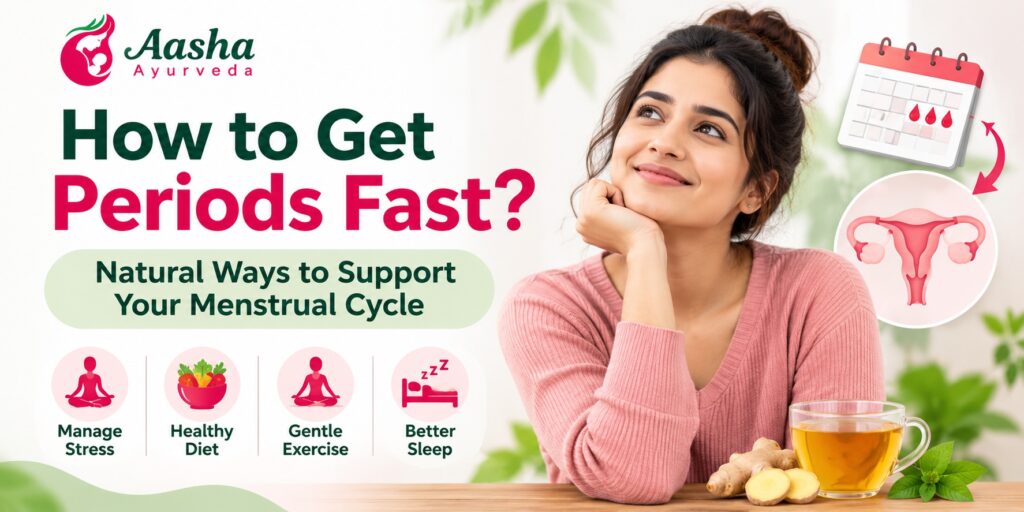
How to Get Periods Fast? Natural Ways to Support Your Menstrual Cycle
Are you waiting for your period and wondering how to get periods fast naturally? A delayed menstrual cycle can be stressful, especially when you are expecting your period before an important event, trip or personal occasion. Many women search for quick solutions such as how to get your period in one hour or how to get your period overnight.
However, it is important to understand that there is no scientifically proven home remedy, food, drink or exercise that can guarantee the start of menstruation within one hour or overnight. Your menstrual cycle is controlled by a complex interaction of hormones, and the timing of your period depends on several factors.
Some healthy lifestyle habits may support overall menstrual health, but the right approach depends on why your period is delayed. Pregnancy, PCOS, thyroid problems, stress, sudden weight changes and excessive exercise can all affect your menstrual cycle.
In this guide, Aasha Ayurveda explains natural ways to support menstrual health, possible reasons for delayed periods and when you should consult a healthcare professional.
How to Get Your Period in One Hour – Is It Possible?
If you are searching for how to get your period in one hour, you may be hoping for an immediate solution. Unfortunately, there is no reliable scientific method that can make a delayed period start within an hour.
Menstruation is part of the natural reproductive cycle. It occurs when hormonal changes cause the uterine lining to shed. This process cannot be reliably switched on instantly through a particular food, drink, herbal remedy or physical activity.
You may come across online suggestions such as drinking ginger tea, eating papaya, taking vitamin C or using hot water to bring on your period. However, these methods are not proven to trigger menstruation within a specific time.
Why Can’t Periods Be Started Immediately?
The timing of menstruation depends on several biological processes, including:
- Ovulation and changes in reproductive hormones.
- The development of the uterine lining.
- Changes in estrogen and progesterone levels.
- The body’s response to stress, nutrition and overall health.
If these processes are delayed or disrupted, your period may also be delayed. Trying to force bleeding without understanding the reason may be unsafe.
How to Get Periods Fast Naturally?
If your period is slightly delayed, certain healthy lifestyle habits may support your overall reproductive and menstrual health. However, these habits should not be considered guaranteed methods for inducing menstruation.
Here are some practical ways to support a healthy menstrual cycle.
1. Manage Stress and Anxiety
Stress can affect the hormones involved in ovulation and menstruation. High or prolonged stress may contribute to changes in your menstrual cycle.
To support relaxation, you can try:
- Deep breathing exercises.
- Meditation for a few minutes daily.
- Gentle stretching.
- Spending time outdoors.
- Maintaining a regular daily routine.
Reducing stress may support general well-being, particularly when stress is contributing to cycle changes. It does not guarantee that your period will start immediately.
2. Try Gentle Physical Activity
Regular physical activity supports overall health and can help maintain a healthy body weight.
You may include:
- Walking.
- Gentle yoga.
- Light stretching.
- Cycling at a comfortable pace.
- Moderate daily exercise.
Avoid suddenly starting intense workouts to force your period to begin. Excessive exercise, particularly when combined with inadequate food intake, can contribute to irregular or missed periods.
3. Maintain a Balanced Diet
Adequate nutrition is important for normal reproductive and hormonal function. Restrictive diets and sudden changes in calorie intake may affect menstrual regularity.
Include a variety of nutritious foods in your daily meals:
- Leafy green vegetables.
- Whole grains.
- Lentils and beans.
- Nuts and seeds.
- Seasonal fruits.
- Milk, curd or suitable alternatives.
- Eggs, fish or other protein-rich foods, according to your dietary preferences.
A balanced diet supports general health, but no particular food can guarantee that your period will arrive faster.
4. Maintain a Healthy Sleep Schedule
Sleep plays an important role in overall hormonal and metabolic health. Irregular sleep patterns and prolonged sleep deprivation may affect your well-being.
Try to:
- Sleep and wake up at consistent times.
- Reduce screen use before bedtime.
- Avoid excessive caffeine late in the day.
- Maintain a comfortable sleeping environment.
- Get sufficient sleep according to your age and needs.
A regular sleep routine can support general health, although it cannot independently trigger a period.
5. Stay Properly Hydrated
Drinking enough water supports normal body functions and helps prevent dehydration.
You can maintain hydration by drinking water throughout the day and including water-rich foods such as cucumber, watermelon and oranges.
However, drinking extra water does not directly stimulate the uterus or make menstruation start immediately.
6. Practice Relaxing Yoga
Gentle yoga may help improve flexibility, relaxation and stress management.
Some commonly practised poses include:
Butterfly Pose (Baddha Konasana): A seated posture that gently stretches the inner thighs and hips.
Child’s Pose (Balasana): A resting posture that may help promote relaxation.
Cat-Cow Pose (Marjaryasana-Bitilasana): Gentle movements that improve spinal mobility and body awareness.
Practise within your comfort level and avoid any movement that causes pain. Yoga may support general well-being, but there is no reliable evidence that these poses can guarantee immediate menstruation.
How to Get Your Period Overnight – What Actually Works?
Many women search for how to get your period overnight because they want their menstrual cycle to begin before an upcoming event or personal commitment.
However, there is no scientifically proven natural method that guarantees a period will start overnight.
Warm drinks, herbal teas, relaxation and gentle stretching may feel comforting, but they cannot reliably change the hormonal process responsible for menstruation.
Can a Warm Bath Help?
A warm bath may help relax your muscles and provide comfort, particularly if you experience mild menstrual discomfort.
However, taking a warm bath does not reliably trigger menstruation or make a delayed period start overnight.
Can Herbal Drinks Bring Your Period Overnight?
Ginger tea and other herbal drinks are commonly discussed in traditional home-remedy advice. However, there is not enough reliable evidence to recommend them as guaranteed period-inducing treatments.
Some concentrated herbal products may also cause side effects or interact with medicines.
If pregnancy is possible, do not use herbs or supplements to try to induce bleeding without medical advice.
What Should You Do If Your Period Is Already Late?
Instead of trying multiple remedies, first understand why your period is delayed.
- Check your previous menstrual dates.
- Consider whether pregnancy is possible.
- Take a pregnancy test when appropriate.
- Review recent stress, illness, sleep and weight changes.
- Consult a healthcare professional if delays continue.
Which Foods May Support Menstrual Health?
A balanced diet can provide nutrients that support general health and normal body functions. Some foods are traditionally associated with menstrual health, but they should not be treated as medicines for starting a delayed period.
| Food | How it supports general health |
| Papaya | Provides fibre, vitamin C and other nutrients. |
| Pineapple | Contains vitamin C, manganese and fibre. |
| Ginger | Can be included in a balanced diet and is traditionally used in food and beverages. |
| Turmeric | Contains curcumin and can be used as a culinary spice. |
| Vitamin C-rich fruits | Help support normal immune function and iron absorption from plant foods. |
| Leafy green vegetables | Provide folate, fibre and other essential nutrients. |
| Nuts and seeds | Provide healthy fats, minerals and fibre. |
Important: Eating papaya, pineapple, ginger or turmeric does not guarantee that your period will start faster. Avoid excessive amounts of any food, herb or supplement for the purpose of inducing menstruation.
Why Is Your Period Late?
Before looking for ways to get periods fast, it is important to identify the possible reason for the delay.
Here are some common causes.
1. Pregnancy
Pregnancy is one of the most important reasons to consider when your period is late and you have had sex that could result in pregnancy.
If pregnancy is possible, take a home pregnancy test at the appropriate time rather than trying period-inducing remedies.
2. PCOS or PCOD
Polycystic Ovary Syndrome (PCOS), commonly referred to as PCOD in India, can affect ovulation and cause irregular or delayed periods.
Other possible symptoms include acne, increased facial hair, weight changes and difficulty with ovulation.
Learn more about PCOD causes, symptoms and the role of Ayurveda.
3. Thyroid Problems
The thyroid gland helps regulate several body functions, including metabolism. An underactive or overactive thyroid can affect menstrual regularity in some women.
A healthcare professional may recommend thyroid testing if your symptoms suggest a thyroid problem.
4. Stress
Emotional stress, work pressure, anxiety and major life changes can affect the hormonal signals involved in ovulation.
If ovulation is delayed, your period may also arrive later than expected.
5. Sudden Weight Changes
Rapid weight loss, significant weight gain and inadequate calorie intake can affect reproductive hormones.
Maintaining adequate nutrition and a healthy weight is important for overall menstrual health.
6. Excessive Exercise
Very intense exercise, especially when combined with insufficient food intake and inadequate recovery, may contribute to missed periods.
A balanced exercise routine is generally better than excessive workouts.
7. Hormonal Changes and Medications
Hormonal contraception, certain medicines, breastfeeding and changes associated with perimenopause may affect the timing or frequency of periods.
If your menstrual pattern changes after starting a medicine, discuss it with your healthcare professional rather than stopping it yourself.
What Should You Do If Your Period Is Late?
If your period has not arrived on the expected date, follow a careful approach instead of trying unverified remedies.
Step 1: Track Your Menstrual Cycle
Record the first day of your period each month. This can help you understand your usual cycle length and identify repeated changes.
Step 2: Consider Pregnancy
If you have had unprotected sex or contraception may have failed, take a home pregnancy test.
A pregnancy test is generally most reliable from the first day of a missed period. If you do not know when your next period is due, test at least 21 days after unprotected sex.
Step 3: Review Recent Lifestyle Changes
Think about whether you have recently experienced:
- High stress.
- Illness.
- Travel or disrupted sleep.
- Sudden weight changes.
- Intense exercise.
- Changes in medication.
These details may help your healthcare professional understand the possible reason for the delay.
Step 4: Avoid Unverified Remedies and Self-Medication
Do not take unknown tablets, hormonal medicines, excessive vitamin supplements or concentrated herbal products to force bleeding.
If pregnancy is possible, seek appropriate medical guidance before using any product intended to affect menstruation.
Step 5: Consult a Healthcare Professional
If your period remains absent or becomes repeatedly irregular, consult a gynecologist. Depending on your symptoms, they may recommend a pregnancy test, blood tests or an ultrasound.
For more guidance, read our related article: Period Nahi Aaya To Kya Karein?.
Can Ayurvedic Remedies Help Regulate Irregular Periods?
Ayurveda has a traditional approach to women’s health that considers diet, daily routine, digestion, lifestyle and individual health patterns.
However, irregular periods can have different underlying causes. Pregnancy, PCOS, thyroid disorders, nutritional deficiencies and other medical conditions may require specific evaluation and care.
Before using an Ayurvedic herb, supplement or formulation, discuss its suitability with a qualified healthcare professional. Natural products are not automatically safe, and some may interact with medicines or be unsuitable during pregnancy.
At Aasha Ayurveda, women’s reproductive health awareness should begin with understanding individual symptoms and seeking appropriate professional guidance. Avoid self-prescribing herbal products or assuming that one remedy is suitable for every woman.
For additional information, explore our guide on Ayurvedic tips for hormonal balance in women.
When Should You See a Doctor for Delayed Periods?
An occasional change in your menstrual cycle may happen. However, repeated delays or missed periods should not be ignored.
Consider consulting a healthcare professional if:
- You have missed three periods in a row.
- Your periods have become repeatedly irregular.
- You experience unexplained weight gain or weight loss.
- You notice increased facial hair or persistent acne.
- You have unusual tiredness or other symptoms of a hormonal problem.
- Your period has stopped after previously being regular.
Seek urgent medical care if you have severe pelvic or abdominal pain, fainting, dizziness or heavy bleeding, especially if pregnancy is possible.
The treatment for delayed periods depends on the underlying cause. A healthcare professional can help identify the reason and discuss appropriate options.
How to Support a Regular Menstrual Cycle Naturally?
Although no natural method can guarantee an immediate period, healthy daily habits can support overall menstrual health.
Eat Nutritious Meals
Include a variety of vegetables, fruits, whole grains, protein sources and healthy fats.
Exercise Moderately
Choose regular activities that suit your fitness level, such as walking, cycling or gentle yoga.
Maintain a Healthy Sleep Routine
Try to maintain consistent sleep and wake-up times.
Manage Daily Stress
Relaxation, breathing exercises, hobbies and adequate rest may help support general well-being.
Avoid Extreme Dieting
Sudden weight loss and restrictive eating may affect menstrual regularity. Focus on adequate nutrition.
Track Your Periods
Use a calendar or menstrual tracking application to record cycle dates, bleeding patterns and symptoms.
Address Underlying Health Conditions
If you have PCOS, thyroid problems or another condition affecting your menstrual cycle, follow an appropriate care plan with a qualified healthcare professional.
Frequently Asked Questions (FAQs)
Q1. How to get your period in one hour?
There is no scientifically proven home remedy that can guarantee your period will start within one hour. Menstruation is controlled by hormonal changes that cannot be reliably triggered on demand.
Q2. How to get periods fast naturally?
Maintaining a balanced diet, managing stress, sleeping adequately and exercising moderately can support general menstrual health. However, these habits cannot guarantee that a delayed period will start immediately.
Q3. How to induce period naturally at home?
There is no proven natural home method that reliably induces a delayed period. First identify the possible reason for the delay, particularly if pregnancy is possible, and seek medical advice when needed.
Q4. How to get your period overnight?
No food, drink, exercise or herbal remedy can guarantee that your period will start overnight. Warm baths and relaxation may provide comfort but do not reliably trigger menstruation.
Q5. Can you make your period come faster?
There is no dependable home method to make menstruation begin on demand. A healthcare professional may recommend treatment in specific situations after identifying the cause of a delayed or absent period.
Q6. Which foods help support a regular menstrual cycle?
A balanced diet containing fruits, vegetables, whole grains, lentils, nuts, seeds and adequate protein supports general health. No particular food can guarantee an immediate period.
Q7. Can ginger help induce periods?
Ginger is commonly used in food and traditional remedies, but it is not a proven method for triggering a delayed period. It should not be used in concentrated amounts to force menstruation.
Q8. Can papaya make your period come faster?
Papaya provides useful nutrients, but eating papaya has not been proven to reliably start a delayed period. It should not be treated as a menstrual-inducing remedy.
Q9. Why is my period late but I am not pregnant?
Possible reasons include stress, PCOS, thyroid problems, sudden weight changes, excessive exercise, breastfeeding, hormonal contraception and certain medicines. A healthcare professional can help identify the cause.
Q10. How many days late can a period be?
Menstrual cycle length can naturally vary. A delay of a few days does not always indicate a health problem. However, repeated irregularity or missing three periods in a row should be evaluated.
Q11. Can stress delay your period?
Yes. Stress can affect the hormonal signals involved in ovulation, which may delay menstruation. Managing stress may support overall health but does not guarantee an immediate period.
Q12. When should I consult a doctor for missed periods?
Consult a healthcare professional if you miss three periods in a row, experience repeated irregular cycles or have other concerning symptoms. Seek urgent care for severe pain, fainting or heavy bleeding.
Conclusion
If you are searching for how to get periods fast, it is important to understand that your menstrual cycle cannot be reliably controlled through instant home remedies.
There is no proven method to get your period in one hour or guarantee that it will start overnight. Instead, focus on balanced nutrition, adequate sleep, moderate physical activity and stress management to support general menstrual health.
If your period is late, first consider pregnancy and other possible causes such as PCOS, thyroid problems, stress and sudden weight changes. Avoid unknown medicines and excessive herbal supplements.
For recurring irregular periods, seek advice from a qualified healthcare professional. Understanding the underlying cause is more important than trying to force menstrual bleeding.
Aasha Ayurveda encourages women to make informed decisions about reproductive health and seek appropriate guidance for menstrual concerns.
About the Author / Ayurvedic Reviewer
Content by: Aasha Ayurveda Editorial Team

Reviewed for Ayurvedic & Pregnancy Wellness Context By:
Medically Reviewed By: Dr. Chanchal Sharma
Qualifications: MD (AM), BAMS, CGO
Experience: 15+ Years
Last Reviewed: September 2026
Clinic: Aasha Ayurveda
Aasha Ayurveda की official website Dr. Chanchal Sharma को Director, MD (AM), BAMS, CGO और 15+ years experience के साथ list करती है.
Medical Disclaimer: This article is intended for general health education only. It does not replace an individual medical consultation, diagnosis or treatment. Natural remedies and lifestyle changes cannot guarantee immediate menstruation. If pregnancy is possible, take an appropriate pregnancy test and seek professional advice before using medicines, herbs or supplements. Have this article reviewed by a qualified medical professional before publication.