
Male Infertility: Causes, Symptoms, Diagnosis & Treatment
Male Infertility: Causes, Symptoms, Diagnosis & Treatment
Humans are considered a species with low reproductive efficiency. For a healthy, young couple, the probability of conception in any given month—when engaging in unprotected intercourse—is only 20–25%.
Approximately 1 in 7 couples is infertile—meaning they have been unable to conceive despite having regular, unprotected physical intercourse for a year!
Male infertility is a contributing factor in about 50% of these cases. It is time to raise awareness that male infertility is also an indicator of overall health. In other words, when a man is infertile, a ‘check engine’ light flashes in his body—a signal that should not be ignored. Here is what you need to know about the link between male fertility and overall health, as well as what research suggests regarding the increased risk of certain health conditions in infertile men.
Worldwide, 186 million and 14 million people in India are affected by male infertility, and in approximately half of the cases, the male partner is the cause. Research indicates that men experiencing infertility face a higher risk of developing ischemic heart disease and diabetes. Males with infertility are also more likely to have pre-diabetes and high blood pressure (hypertension). A 2022 longitudinal study involving Asian men found that, after 15 years, those with infertility had a higher likelihood of developing cardiovascular disease.
Similarly, a 2017 study involving over 32,000 men found an increased risk of diabetes among men with infertility. This risk was highest in men who had no sperm in their semen and those who were unable to ejaculate at all.
Just as women’s natural ability to be mothers is an indicator of their physical health, a man’s natural ability to be a father is an indicator of his physical health. This is because the process of creating a human being with a unique genetic makeup, which seems simple on the surface, actually relies on a complex interplay of hormones.
What is Male Infertility?
Male infertility refers to a man’s inability to impregnate a woman despite having regular, unprotected sexual intercourse for a year. It is a contributing factor in half of the cases where couples are unable to conceive. Common causes include low sperm count, slow sperm motility, and blocked tubes.
Infertility can affect both men and women. Infertility among males is not a new problem. Nowadays, male infertility is very common among young males.
The inability to conceive can cause stress for both you and your partner. However, treatments for male infertility are available.
How does Ayurveda look at male infertility?
Ayurvedic Male infertility Treatment starts (Vandhyatva) by restoring the body’s metabolic fire (Agni), balancing the three Doshas (primarily Vata), and cleansing metabolic toxins (Ama) to optimize the health of reproductive tissues (Shukra Dhatu). Rather than forcing conception synthetically, it aims to create an ideal biological environment based on four essential pillars: Ritu (timing/ovulation), Kshetra (uterine health), Ambu (nourishment), and Beeja (egg/sperm quality). Ayurveda believes that Male Infertility should never be fought alone. Whether you are struggling to find the causes of Male infertility or looking for a natural solution to:
- Spermatogenesis
- Low sperm count or Oligozoospermia,
- Varicocele,
- Azoospermia,
- Asthenozoospermia
- Teratozoospermia
- Cryptorchidism
- Epididymitis and orchitis
- Retrograde Ejaculation,
- Poor sperm motility or asthenospermia
- Hypogonadism,
- Klinefelter Syndrome,
- Prostatitis,
- Erectile and Ejaculatory Disorders,
- High Sperm DNA Fragmentation
- Necrozoospermia
- Pyospermia / Leukocytospermia
- Anti-Sperm Antibodies – ASA
- CBAVD – Congenital Absence of Vas Deferens
- Aspermia
- Hyperprolactinemia
Finding the underlying cause using natural methods offers real hope. If you are looking for ways to improve male infertility, your solution is the Ayurvedic approach. At Aasha Ayurveda Delhi, under the expert guidance of Vaidya Anil, a couple can overcome their fertility challenges and start a productive life as parents.
What factors are responsible for natural conception?
Conception is a complex process that depends on several factors involving the male and female reproductive systems, including:
- The healthy production of male reproductive cells (sperm) and the female reproductive cell (egg).
- Patent (open) fallopian tubes, allowing sperm to reach the egg.
- The ability of the sperm to fertilize the egg upon contact.
- The ability of the fertilized egg (embryo) to implant in the uterus.
The male body must prevent defective sperm cells from maturing, facilitate the movement of healthy sperm through both the male and female reproductive tracts to reach the egg, and provide the genetic code necessary for the developing embryo to travel from the fallopian tube and successfully implant at the right depth within the uterine lining. In other words, during the time this little life settles into the uterus, and rapid cell division begins, there’s a lot that can go wrong, and there’s a lot that has gone right.
In fact, an article published in Nature Reviews Urology in 2025 advocates for the inclusion of routine semen analysis in primary healthcare, stating that “a semen analysis, traditionally used to assess fertility, holds untapped potential as a tool for promoting lifestyle changes and preventing chronic diseases in men. Spermatogenesis is highly sensitive to environmental and lifestyle factors and can be an early indicator of overall health.”
What is Spermatogenesis?
Spermatogenesis is the biological process by which male germ cells develop into mature spermatozoa within the seminiferous tubules of the testes. In humans, this entire cycle lasts approximately 64 to 75 days, beginning at puberty and continuing throughout a male’s life.
Stages of Development:
- Spermatogonia (Mitosis): Diploid stem cells multiply by dividing via mitosis. Some cells remain as stem cells, while others become primary spermatocytes.
- Primary Spermatocyte (Meiosis I): The diploid primary spermatocyte undergoes the first meiotic division. This results in the formation of two haploid secondary spermatocytes.
- Secondary Spermatocytes (Meiosis II): Each secondary spermatocyte divides rapidly through the second meiotic division. This produces four immature, round, haploid cells known as spermatids.
- Spermiogenesis (Maturation): Spermatids change shape, develop a tail, form an acrosomal cap, and shed excess cytoplasm to transform into functional, streamlined spermatozoa.
Hormonal Control:
- Testosterone: Drives the actual growth and division of germ cells.
- Follicle-Stimulating Hormone (FSH): Stimulates Sertoli cells to support and nourish the developing sperm.
- Luteinizing Hormone (LH): Signals Leydig cells in the testes to produce testosterone.
Common symptoms of Spermatogenesis
- The partner failing to conceive despite a year of regular, unprotected intercourse
- Reduced sexual desire or difficulty maintaining an erection
- Pain, swelling, or a lump in or around the testicles
- Changes in the volume or appearance of semen during ejaculation
- A reduction in body or facial hair, which may indicate hormonal changes.
Ayurvedic shlok for Spermatogenesis:
“हृत्पाण्डुता दौर्बल्यं मुखशोषः श्रमस्तथा। क्लैब्यं शुक्रविसर्गश्च शुक्रक्षयलक्षणम्॥”
(चरक संहिता, सूत्रस्थान 17.67)
(Charaka Samhita, Sutrasthana 17.67)
Meaning: Due to deficiency of androgen/testosterone hormones and Shukra Dhatu in the body, extreme weakness, paleness on the face, fatigue, impotence, and stoppage of the sperm production process.
Solution: Rejuvenation of the testicular germinal epithelium (Shukradhara Kala) using high-potency Vajikarana Rasayanas such as Swarna Bhasma, Kapikachhu, Ashwagandha, and Shatavari. This is combined with Uttar Basti using Kalyanaka Ghrita to stimulate tissue metabolism (Dhatu Agni), thereby ensuring smooth cell division and maturation from spermatogonia into fully developed spermatozoa.
Couples who are facing infertility are encouraged to make lifestyle changes. Naturally, couples trying to conceive are highly motivated to modify their lifestyles to increase their chances of pregnancy. This same motivation can be harnessed to help prevent, slow the progression of, or treat serious health issues.
Several studies indicate that men with abnormal semen analysis results face a higher risk of premature death from any cause (Jensen et al., 2009; Eisenberg et al., 2014). Furthermore, this risk is highest among men with azoospermia. However, it is important to view these findings in the proper context, as the overall likelihood of premature death from any cause remains very low.
What is azoospermia?
Azoospermia is a medical condition in which a man’s semen contains no sperm cells at all. It affects approximately 1% of men and is a major cause of male infertility. It is diagnosed through a specific type of semen analysis.
It is classified into two main categories:
- Obstructive Azoospermia: In this condition, sperm are produced normally, but a physical blockage prevents them from being ejaculated. Causes include a prior vasectomy, congenital absence of the tubes, or infections.
- Non-obstructive Azoospermia: In this situation, the testicles produce very little or no sperm. Causes include genetic abnormalities (such as Klinefelter syndrome), hormonal issues, or past damage resulting from radiation or chemotherapy.
- Pre-testicular Azoospermia: In this case, the testicles are healthy, but they do not receive the necessary hormonal signals from the brain to produce sperm.
Causes of Azoospermia
Obstructive Azoospermia (blockage)
Sperm are produced but cannot exit.
- Vasectomy: Intentional surgical cutting of the tubes.
- Congenital Absence of Vas Deferens: Absence of the Tubes, often associated with cystic fibrosis.
- Infection: Sexually transmitted infections or inflammation of the epididymis.
- Surgery or injury: Formation of scar tissue due to hernia surgery or pelvic injury.
Testicular Azoospermia (non-obstructive)
Difficulty in sperm production within the testicles.
- Genetic conditions: Klinefelter syndrome or Y-chromosome micro-deletion.
- Medical treatment: Chemotherapy or radiation for cancer.
- Testicular damage: Undescended testicles, severe injury, torsion, or mumps orchitis during puberty.
- Varicocele: Enlargement of veins within the scrotum, raising the local temperature.
Pre-testicular Azoospermia (hormonal):
Insufficient hormonal signals inhibit sperm production.
- Hormone-related issues: Low testosterone levels or problems with the pituitary or hypothalamus glands.
- Medications and other factors: Misuse of anabolic steroids, testosterone replacement therapy, or specific medications.
Symptoms of Azoospermia
- No direct physical symptoms: Many men feel perfectly fine and notice no changes other than difficulty conceiving.
- Hormonal or physical signs: Some men may experience issues such as reduced sexual desire, shrinkage of the testicles, or swollen veins in the scrotum (varicocele).
- Diagnostic methods: Doctors conduct repeated semen analyses, blood hormone tests, and genetic screening.
Ayurvedic Focus: Clearing Srotas (for obstructive cases) and nourishing “Dhatus” (for non-obstructive cases).
Solutions:
- Obstructive: Kshara Basti and Uttar Basti to clear micro-channel blockages in the Shukravaha Srotas (reproductive channels).
- Non-obstructive: High-potency Rasayanas—such as Suvarna Vasant Kusumakar Ras, Makardhwaj, and Shilajit—to revitalize dormant germ cells.
If your partner is healthy but you’re not able to have a baby, then you might be suffering from oligospermia.
What is oligospermia?
Oligospermia is a medical condition that is also known as low sperm count. Typically, the sperm count in one millilitre of semen ranges from 15 million to over 200 million. If you have oligospermia, the sperm count in one millilitre of semen is less than 15 million.
You may have also heard healthcare providers use the term “severe oligospermia.” This refers to a condition in which the sperm count in 1 mL of semen is less than 5 million. Oligospermia is also commonly known as Low Sperm Count.
What are the Causes of Oligospermia/ Low Sperm Count?
Low sperm count can lead to infertility in men. However, a low sperm count does not mean that your partner cannot conceive; it simply means that conception may take longer or prove more difficult.
There can be several reasons for a low sperm count:
- Medical Conditions: Certain medical conditions—such as varicocele (enlargement of the veins in the scrotum), infections, hormonal imbalances, or genetic disorders—can affect the process of sperm production.
- Lifestyle Habits: Unhealthy lifestyle habits—such as smoking, excessive alcohol consumption, drug use, obesity, and exposure to toxic substances or radiation—can reduce sperm count.
- Age factor: Just as female fertility declines with age, men also experience age-related changes that can impact sperm quality and quantity.
- Stress: Prolonged stress can lead to hormone production issues and negatively affect reproductive health.
- Medications: Certain medications, such as specific antibiotics or testosterone replacement therapy, can temporarily suppress sperm production.
These factors are thoroughly analysed by male infertility specialists to holistically address reproductive health and provide the appropriate treatment for male infertility.
What are the common symptoms of Oligosperma/low sperm count?
Low sperm count does not really show any visible symptoms. The primary sign of Low sperm count is the inability to conceive with a partner after a year of regular sexual intercourse without using birth control.
In some men, symptoms of low sperm count may be linked to the underlying cause. These can include:
- Reduced body and facial hair
- Erectile dysfunction
- Decreased sexual desire (libido)
- Swelling, pain, or a lump in the testicles
Ayurvedic name and cause: ‘Ksheenshukra’ (obstruction in ‘Shukravah source’ due to the aggravation of Vata-Pitta dosha).
Ayurvedic shlok for Oligospermia/low sperm count:
“क्षीणे शुक्रे मेढ्रवृषणवेदनाऽमैथुनहर्ष-तैलमिश्ररक्ताल्पशुक्रप्रसेकाः॥”
(सुश्रुत संहिता, सूत्रस्थान 15.13)
Ayurvedic solution:
Shodhana therapy: Removal of oxidative stress and swelling of the testicles by Uttar Basti and purgation.
Vajikaran medicines: Increasing sperm count and motility by brightening ‘Shukra Dhatu Agni’ with Kapikachhu (L-Dopa enriched), Ashwagandha, Gokshur and Swarna Bhasma.
What is Varicocele?
A varicocele is a condition characterized by the swelling or abnormal enlargement of the veins within the scrotum. It is the most common and treatable cause of male infertility. The enlarged veins raise the temperature of the scrotum, thereby disrupting the natural process of sperm production. Consequently, sperm count, motility, and morphology are all adversely affected. While it is often painless, the impairment of testicular blood flow leads to increased oxidative stress and sperm DNA damage.
Ayurvedic Name: Siraj Glandhi (Testicles)
Shlok:
“संवृत्तान् ग्रथितांश्चैव सिरानद्धान् विवर्धयेत्। सिराजग्रन्थिरित्येष…”
(सुश्रुत संहिता, निदानस्थान 11.8)
Meaning: Aggravation of Vayu (air/wind) and Rakta (blood) causes obstruction in the veins of the testicles, leading to swelling and knotting (varicose veins), thereby disrupting sperm production.
Ayurvedic Solution: Application of Jalaukavacharan (leech therapy) directly on the scrotal veins to relieve venous stasis, reduce local heat, and lower oxidative stress—internal administration of Kanchanar Guggulu and Sahacharadi Taila to strengthen the elasticity of the vein walls.
What is Sperm morphology or Teratozoospermia?
Sperm morphology refers to the size and shape of a sperm cell as observed under a microscope. It is examined during a semen analysis to determine male fertility.
In medical language, it is also known as Teratozoospermia.
Teratozoospermia is a male infertility condition in which the majority of sperm have abnormal morphology or structures—such as a misshapen head or a coiled tail—making it difficult for them to reach and fertilize the egg.
Shlok:
“रक्तवर्णं भृशं दाहं पित्तक्रुद्धं प्रसेकतः॥”
(चरक संहिता, चिकित्सास्थान 30.136)
Meaning: Due to excessive heat (Oxidative Stress) of Pitta Dosha, the structure of sperm starts burning/destroying, due to which the head/tail of sperm gets deformed (Teratozoospermia) and DNA gets broken.
Ayurvedic Solution: Excess Pitta damages the structure of the sperm head and tail during spermiogenesis. Tissue-repairing agents are used to restore membrane integrity: Guduchi (Tinospora cordifolia), Amlaki, and Yashad Bhasma (natural zinc).
What is Cryptorchidism (Undescended Testis)?
This is a congenital condition in which one or both testicles fail to descend from the abdomen into the scrotum before birth. The temperature within the scrotum is 2–3°C lower than body temperature, a condition essential for sperm production. If the testicle remains inside the abdomen, body heat destroys its cells. Failure to undergo surgery (orchiopexy) during childhood can lead to severe infertility, testicular atrophy (shrinking of the testicle), and testicular cancer in adulthood.
Ayurvedic Solution: Although early surgery for children is necessary, Ayurvedic support includes a gentle massage (Abhyanga) of the scrotum using Dhanvantaram Tailam and mild localized steam therapy (Nadi Sweda) to relax the surrounding tissues. Additionally, herbs that pacify Vata are used to prevent complications such as testicular atrophy.
What is Epididymitis & Orchitis?
Epididymitis is a condition characterized by an inflammation of the epididymis, which is the tube responsible for storing sperms, the latter refers to an infection and inflammation of the testicles. The two disorders arise due to either a UTI, STIs (e.g., Chlamydia, Gonorrhea), or the mumps virus acquired during one’s childhood. In addition to causing inflammation, the infection results in the development of scar tissue within the ducts and consequently blocks the passage for sperm. Also, it results in leukocytospermia in the semen.
Ayurvedic Solution: Apply Dashang Lepa (a cooling paste) externally to the scrotum to eliminate bacterial infection and tissue inflammation, and simultaneously take Kaishor Guggulu, Guduchi Satva, and Punarnava internally.
What is Retrograde Ejaculation?
This is referred to as ‘ejaculation in the reverse direction.’ In this condition, upon reaching orgasm during sexual intercourse, semen enters the bladder instead of exiting through the penis. This happens because the muscles at the bladder’s opening fail to close properly. Key causes include diabetes, prostate or bladder surgery, spinal cord injuries, and side effects of certain medications for depression or high blood pressure. Following intercourse, white particles of semen may be visible in the urine.
Ayurvedic Solution: Retrograde flow is a neurological issue associated with Vata. Treatment involves restoring the ability of the bladder-neck sphincter to close properly during orgasm through the use of Matra Basti (medicated oil enema) with Ksheerabala 101 oil, alongside nervous system-strengthening tonics such as Ashwagandha and Chyawanprash.
What is Poor sperm motility or Asthenozoospermia?
Poor sperm motility is defined as a condition where a significant percentage of sperm have trouble moving or swimming properly through the female reproductive tract. In medical terms, poor sperm motility is also known as asthenozoospermia or asthenospermia. Since effective sperm motility is essential for reaching and fertilizing the egg, asthenospermia is a common cause of male infertility.
Ayurvedic Solution: Clearing metabolic waste (Ama) from the semen using Trikatu, Shilajit, and Siddha Makardhwaj. This reduces the viscosity of the semen, allowing sperm to move forward without obstruction.
What is Hormonal Deficiency (Hypogonadism)?
Hypogonadism is the condition wherein the testes in the male are not producing enough testosterone (male hormone). Hypogonadism is caused by two things: insufficient production of LH and FSH hormones by the pituitary gland or the hypothalamus (secondary failure), and the primary failure of the testicles to produce hormones. The insufficiency in male hormones will cause very low or no sperm count, loss of libido, and impotence.
Ayurvedic Solution: Vajikarana Rasayana formulations, including Gokshuradi Guggulu, Safed Musli, and Musli Pak. Gokshura naturally stimulates the release of luteinizing hormone (LH), thereby initiating the process of testosterone production within the body.
What is Klinefelter’s Syndrome?
This is an inherited condition where a male has an additional X chromosome, leading to a total of 47 chromosomes (47, XXY). This causes underdevelopment of the testes, resulting in very low levels of testosterone. The majority of males with Klinefelter’s syndrome suffer from non-obstructive azoospermia (lack of sperm). Symptoms include lack of facial/body hair, enlarged breasts (gynecomastia), weak muscles, and infertility. It is diagnosed through a karyotype blood test.
Ayurvedic Solution: Genetic structures cannot be altered, but the remaining functional capacity of the testes can be maximized using deep-tissue rejuvenators such as Swarna Bhasma, Abhraka Bhasma, and Uttara Basti. This leads to improvements in energy levels, bone density, and sperm production capacity.
What is Prostatitis?
Prostatitis can be defined as a condition where there is an inflammation or infection in the prostate gland. The prostate gland is known to produce a particular liquid that contributes significantly to the formation of semen. Once there is an infection in the prostate gland, the balance of the pH in the semen will be altered, together with the production of ROS and white blood cells. This affects the movement of the sperm and causes damage or death of the sperm.
Ayurvedic Solution: Chandraprabha Vati, Varunadi Kwath, and Gokshuradi Guggulu to reduce prostatic inflammation. Targeted Uttar Basti using Apamarga Kshara Taila eliminates infection and restores normal seminal pH.
What are Erectile and Ejaculatory Disorders?
When a man suffers from erectile dysfunction (or impotence), he fails to maintain a proper erection, but conditions such as anorgasmia or delayed ejaculation are those that do not allow for ejaculation to take place. While all these conditions do not directly affect the biological condition of the sperm, they fail to deposit the semen within the vagina, making conception impossible.
Ayurvedic Solution: A combination of neuro-calming herbs (Brahmi, Shankhpushpi) to address performance anxiety, along with potent Vajikarana (aphrodisiac) agents (Akarkara, Kasturi Bhairav Ras). External application of Shri Gopal Taila improves vascular circulation in the penis.
What is the High Sperm DNA Fragmentation Index (DFI)?
High DFI in sperm means the breaking up or damaging of DNA (genetic material) strands within the head of the sperm. While these sperm may look normal when tested in a regular semen analysis test, it is one of the leading causes of failure to fertilize an egg, failed embryo development, and miscarriage. The causes are oxidative stress, smoking, pesticide/pollution exposure, varicocele, and old age.
Ayurvedic Solution: Use of high-antioxidant ‘Jivaniya Gana’ herbs (Amalaki Rasayana, Triphala, and Pippali) to neutralize reactive oxygen species (ROS) in the scrotal micro-environment, thereby preventing DNA strand breaks during sperm maturation.
What is Necrozoospermia?
Necrozoospermia is a disorder that involves the death of the majority of the sperm in semen. The main difference between necrozoospermia and asthenozoospermia is that in the latter case, the sperm is not dead but immobile. The major reasons behind necrozoospermia include chronic infections in the reproductive tract, overheating of the testicles, oxidative stress, and toxicity.
Ayurvedic Solution: Premature death of spermatozoa is caused by excessive Pitta heat and toxins. To preserve sperm viability before ejaculation, the use of Shatavari Ghee and Rasa Sindoor following Virechana Karma (therapeutic purgation) is essential.
What is Pyospermia / Leukocytospermia?
Pyospermia is a condition characterized by high levels of white blood cells (leukocytes) or pus cells in the semen. As per the World Health Organization (WHO), having more than 1 million/mL of WBC in the semen means that there is an infection. Bacterial infections of the prostate, seminal vesicles, and urinary tract can cause pyospermia. White blood cells produce excess free radicals that affect the structure and DNA of the sperm, ultimately killing them.
Ayurvedic Solution: A high WBC count in the semen is treated with Mahamanjishthadi Kwath, Gandhak Rasayan, and Neem. These herbs eliminate subclinical infections in the reproductive tract and protect sperm from oxidative damage.
What are Anti-Sperm Antibodies (ASA)/Immunological Infertility?
The type of autoimmune infertility develops when the male body produces anti-sperm antibodies, due to which the body considers its sperm as foreign substances. The development of ASA happens because the ‘blood-testis barrier’ is compromised (like during surgery, injury, infection, etc.). These antibodies bind to the head or tail part of the sperm and lead to agglutination.
Ayurvedic Solution: Treatment for an immune system targeting sperm cells involves restoring immune tolerance using Guduchi (an immunomodulator), Tulsi, and Swarna Bhasma, thereby repairing the blood-testis barrier and reducing aggregation.
What is Cystic Fibrosis/CBAVD (Congenital Absence of Vas Deferens)
It is an inheritable condition where the male lacks the tubes known as vas deferens for transporting the sperm from the testicles. The result is that even though the production of sperm in the testicles is normal, they cannot be transported to form part of the semen because there is an obstruction to their passage.
Ayurvedic Solution: The anatomical absence of the ducts cannot be corrected; however, the quality of testicular sperm can be improved using Swarna Bhasma, Makardhwaj, and Uttara Basti with the aim of obtaining high-quality sperm for ICSI/TESA procedures.
What is Aspermia?
Aspermia is the medical term for the lack of release of semen from the body during sexual intercourse. It should be remembered that in azoospermia, the semen is ejaculated but no sperms are present, while in aspermia, there is a total lack of emission of any seminal fluid. Some of the main causes of aspermia are extreme retrograde ejaculation, total blockage of the sperm ducts, spinal cord injury, or androgen deficiency.
Ayurvedic Solution: This condition is caused by severe Vata paralysis or an obstruction in the duct. Treatment involves Snehana (oleation) and Swedana (fomentation), followed by Kshara Niruha Basti to clear the seminal pathway; additionally, Vidarikand and Shatavari are used to increase the volume of seminal plasma.
What is Hyperprolactinemia?
Hyperprolactinemia refers to the abnormal increase in the amount of prolactin hormone in the body of a male. Hyperprolactinemia results from the development of tumors in the pituitary gland, excessive psychological stress, or as side effects of some drugs. The excess of prolactin causes the reduction of production of GnRH and testosterone hormones, leading to decreased libido and impotence.
Ayurvedic Solution: High prolactin levels disrupt the dopaminergic pathway. Treatment involves Nasya Karma (nasal administration) using Kshirabala oil, combined with Kapikachhu (a natural source of L-Dopa that inhibits prolactin secretion), Jatamansi, and Shankhpushpi.
What is the link between Ayurveda and these specific health conditions?
All male infertility conditions, such as blockages and deficiencies in terms of either structural integrity or the number of sperm or even DNA damage, are related to the dysfunction of Shukra Dhatu (seventh tissue layer) that is responsible for the process of reproduction and Apana Vayu (subtype of Vata responsible for the pelvic organs). Such disorders fall into the category of Shukra Dushti (sperm damage) and Klaibya (male sexual dysfunction).
1. Doshas’ Mapping of Male Infertility Disorders
- Pitta Dushti (Heat Damage): Conditions like Varicocele, High Sperm DNA Fragmentation (DFI), Teratozoospermia, and Prostatitis/Epididymitis have their origin in hyper-Pitta (excessive heat and oxidative stress). Excessive heat in the scrotum damages sperm head morphology, breaks DNA, and decreases sperm survival.
- Vata Dysfunction (Neural/Vascular Disruption): Erectile Dysfunction, Retrograde Ejaculation, Asthenozoospermia, and Obstructive Azoospermia are associated with aggravated Vata. As Vata controls movement and conduction of impulses, excessive Vata causes constriction of vessels, impairs motility of sperm and retrograde flow of seminal fluid.
- Kapha & Srotorodha (Blockage/Slow Metabolism): Oligozoospermia (low sperm count) and Non-Obstructive Azoospermia are usually caused by either channel obstruction (Srotorodha) in the Sukravaha Srotas (channels carrying the semen) or low tissue metabolism (Dhatu Agni) preventing nutrients from reaching reproductive tissue.
2. The Ayurvedic Line of Male Infertility Treatment
Ayurveda treats these imbalances in a three-stage restoration process rather than in a single approach of hormonal correction:
- Srotoshodhana (Channel Cleaning): Methods such as Virechana (therapeutic laxatives) cleanse Pitta poisons and reduce scrotum temperature, whereas special types of Basti or Uttar Basti therapies cure pelvic inflammation and cleanse micro-channels.
- Vata-Anulomana (Blood and Nerve Channel Regulation): Correction of the descending movement of Apana Vayu leads to increased penis blood circulation, restored ejaculation reflexes, and normalized sperm motility.
- Vajikarana & Rasayana Therapy (Boosting the Process of Spermatogenesis): Plants such as Kapikacchu (containing L-Dopa), Ashwagandha, Gokshura, and Shilajit affect the testicular micro-environment (Shukradhara Kala) and increase sperm count, morphology, and quality of DNA.
This is why Male Infertility Specialists: Vaidya Anil (Aasha Ayurveda) focus on the health of the entire body rather than solely on achieving conception.
Key Benefits of Ayurveda:
- Personalised Care: Ayurveda does not simply prescribe medication immediately upon diagnosis, nor does it merely suppress symptoms. It recognises that every individual has a unique physical constitution (dosha). Treatments and dietary plans are tailored to your specific physical and emotional needs.
- Stress Reduction: A healthy body stems from a healthy mind. If your mind is frequently stressed, it inevitably impacts your health. Ayurveda recommends practices such as meditation, yoga, and herbal therapies (like Ashwagandha) to lower cortisol levels, thereby reducing anxiety and improving sleep quality.
- Detoxification: Even when taking appropriate medication, success isn’t guaranteed. This is often due to the accumulation of toxins in the body, which can contribute to issues like infertility. Unless these toxins are eliminated, medications or treatments may prove ineffective. Specialised therapies like Panchakarma gradually cleanse the body of accumulated toxins (ama), restoring energy and strengthening the body’s natural defence system.
- Improved Digestion: While eating is essential, nutrition is equally important. To ensure a healthy pregnancy and avoid complications, a fibre-rich, nutritious diet is vital. Equally important is paying attention to your digestion. Ayurveda considers strong digestive fire (Agni) the foundation of good health and emphasises gut-friendly foods and herbs to enhance nutrient absorption and metabolism.
- Focus on Prevention: While conventional medical advice typically focuses on a balanced diet, timely medication, and avoiding over-medication, Ayurveda seeks to understand the root cause of a problem rather than simply treating the illness after it manifests. It encourages adopting changes in daily routines and lifestyle based on the season to boost the body’s natural ability to fight disease. It also helps protect the body against minor ailments, making it highly effective as a long-term solution.
Why Ayurveda?
Ayurveda is the ancient treatment of most of the human diseases, as it is safe, affordable, and without any side effects. When it comes to Male infertility treatment, people stay doubtful about it, and this is totally natural. Trusting your body with something you’re not sure about will only lead to stress and anxiety, which may lead to a decline in health, too. Ayurveda is a slow process; it takes time to show results. This is due to the internal healing procedure incorporated by Ayurvedic fertility doctors, this is the reason why it takes time to show visible outcomes on your body. Whereas an allopathic treatment shows faster results, but later it leaves the body with side effects and other problems. Ayurveda works holistically in beating Male infertility; hence, it provides a healthy and natural pregnancy without any surgery and heavy medications.
Ayurvedic approach to Male infertility Treatment?
Ayurveda involves these techniques for Male infertility Treatment through specialized clinical steps:
1. Shodhana Chikitsa (Deep Detoxification)
Before administering rejuvenative therapies, patients typically undergo Panchakarma to clear blockages in the reproductive tracts and balance endocrine functions.
- Virechana (Therapeutic Purgation): Eliminates excess Pitta, improves liver function, and regulates reproductive hormones.
- Vamana (A Vomiting-based Treatment for Clearing Blockages): This treatment involves administering drugs that cause vomiting, hence getting rid of excess water retention and toxins (Kapha) from the upper body.
- Basti (Medicated Enemas): The most critical therapy for fertility. It directly regulates Apana Vata—the energetic subtype governing the pelvic floor, ovulation, and sperm motility.
- Nasya (nasal administration): Herbal oil or powder is introduced into the nose to detoxify the area between the head and the neck. Best for sinusitis, migraines, and neurological disorders that affect the upper part of the body
- Raktamokshana (bloodletting): Purified blood is removed to clean the blood and eliminate localized toxins. Best for serious skin diseases such as eczema and gout.
2. Shamana Chikitsa & Target Herbs (Oral Balancing)
Once the body channels are clear, specific single herbs and combinations are prescribed based on the individual’s biological constitution (Prakriti) and specific diagnosis:
Ayurveda has some specific herbs that help Boost Male fertility. These are as follows:
- Ashwagandha: Elevates serum testosterone levels, significantly improves sperm count, and enhances sperm motility.
- Kapikacchu: Acts as a natural L-DOPA source to optimize dopamine, combat oxidative stress, and prevent premature ejaculation.
- Gokshura: Boosts libido, clears urinary tract obstructions, and enhances structural sperm quality.
3. Satvavajaya Chikitsa (Stress Reduction)
Because emotional stress and high cortisol disrupt the hypothalamic-pituitary-gonadal axis, Ayurveda incorporates mandatory psychological support.
- Shirodhara: Continuous pouring of warm herbal oils on the forehead to calm the nervous system and regulate pituitary hormone secretions (LH and FSH).
- Yoga & Pranayama: Targeted practices like Setu Bandhasana (Bridge Pose) and Viparita Karani (Legs-Up-The-Wall) are used to increase targeted arterial blood flow to pelvic organs.
4. Ahara (Sattvic Dietary Management)
Patients must maintain a strict nutritional protocol to feed the Shukra Dhatu.
- Inclusions: Warm, fresh, Sattvic foods including organic cow’s ghee, dates, almonds, walnuts, whole grains, and fresh organic dairy.
- Exclusions: Eliminating trans-fats, processed sugars, carbonated beverages, excessive caffeine, alcohol, and heavily spiced or stale foods that provoke Pitta and weaken Agni.
Best Methods that Help with Male Infertility Treatment
Now you know the disease, the cause, and how it is treated. Coming to the solution, the Male infertility treatment is divided into 3 types:
- Enhancing lifestyle and daily routine:
Just taking medicines won’t give you the desired results. If you really want to conceive naturally, you need to follow a disciplined, structured routine.
- Anti-inflammatory diet: Consume foods with anti-inflammatory properties and antioxidants, such as turmeric, ginger, and citrus fruits rich in Vitamin C.
- Stopping unhealthy practices: Avoid smoking and alcohol since it affects male fertility by impairing sperm quality, altering reproductive hormones, and inducing oxidative stress in the body.
- Mental health management:
Your mind is an important aspect of your well-being, as Dr. Joseph Murphy, author of The Power of Your Subconscious Mind, wrote, “All disease originates in the mind. Nothing appears on the body unless there is a mental pattern corresponding to it.”
- Yoga/Meditation: Stress is another factor that causes hormonal imbalance. A regular 5-10 minutes of meditation can help reduce your stress. Certain yoga positions can help you with pelvic blood circulation.
- Pelvic/abdominal massage: Some specialists support the use of abdominal massages to increase blood circulation and reduce pelvic adhesions.
- Alternative Medicine and Traditional Approach:
- Ayurvedic medicine: Some traditional practices, such as Uttar Basti. The objective of Uttar Basti for Male Infertility Treatment is to nourish reproductive tissues, clear micro-blockages in the seminal vessels, and improve sperm quality and quantity in cases of male infertility.
Conclusion:
It is widely understood that Ayurveda works slowly, and the results are not even guaranteed, but if we look at a broader perspective, we can find that even surgical treatment may result in conception failure. The word guarantee in itself is misleading when it comes to results. So don’t believe it when you read the word guarantee for your pregnancy. If you don’t believe in yourself, no doctor or treatment can help you.
Just because the process is time-consuming, it doesn’t mean it doesn’t work. Ayurveda works miraculously and may even produce astonishing results.
At Aasha Ayurveda Fertility Centre, we offer natural, personalised Ayurvedic treatments for such infertility. Even if you are suffering from silent infertility, it’s better to get yourself checked; awareness is the first step to a healthy life.
About the Author / Ayurvedic Reviewer
Content by: Aasha Ayurveda Editorial Team
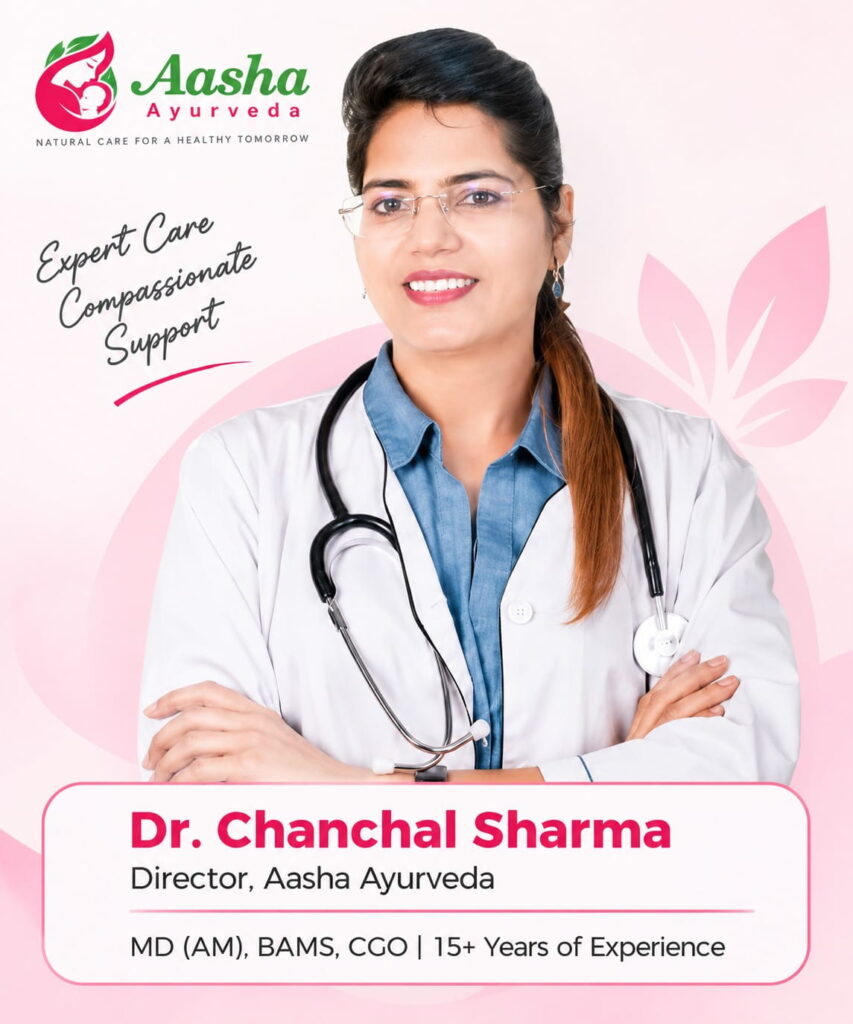
Medically Reviewed By: Dr. Chanchal Sharma
Qualifications: MD (AM), BAMS, CGO
Experience: 15+ Years
Last Reviewed: October 2026
Clinic: Aasha Ayurveda