
How to Increase Hemoglobin in During Pregnancy: Foods, Normal Hb Levels & Safe Ways to Improve Hb
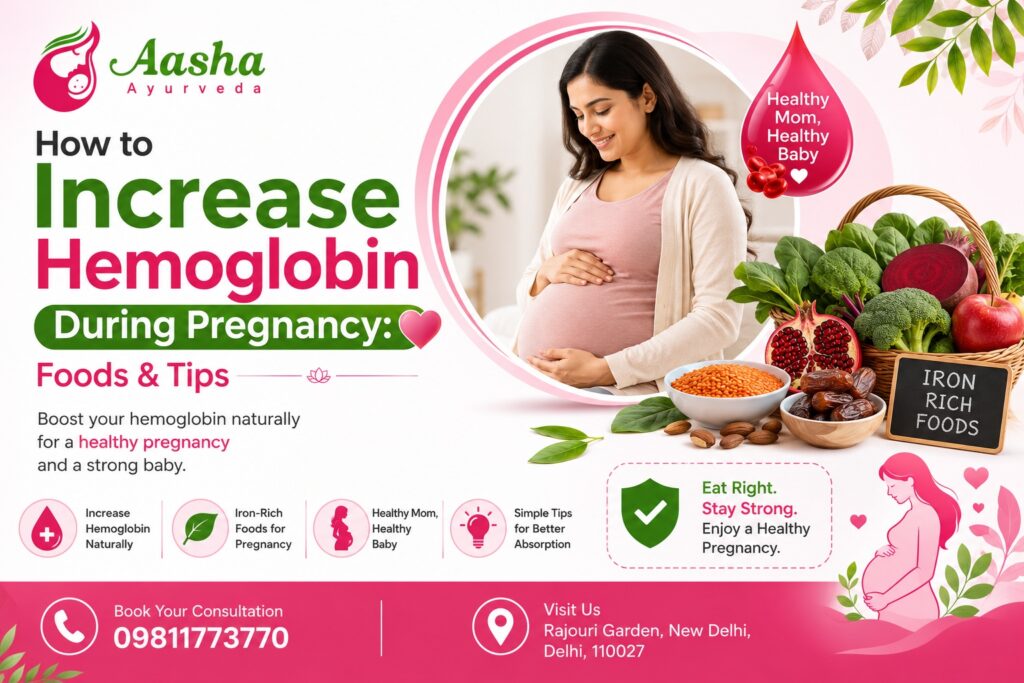
Low hemoglobin (Hb) is a common concern during pregnancy. As pregnancy progresses, the body needs more blood to support the mother, placenta, and developing baby. Blood plasma volume increases substantially, which can lower the measured concentration of hemoglobin. However, a significant drop in Hb may indicate anemia, commonly related to iron deficiency but sometimes caused by folate or vitamin B12 deficiency, blood loss, inherited blood disorders, or other medical conditions.
If you are wondering how to increase hemoglobin during pregnancy, the safest approach is to identify why your Hb is low and then follow an appropriate treatment plan. Iron-rich foods, vitamin C, adequate folate and vitamin B12, and prescribed iron-folic acid supplementation can support healthy red blood cell production. Moderate or severe anemia, however, should not be managed with diet or home remedies alone.
WHO identifies anemia as a condition in which red blood cells or hemoglobin are insufficient to meet physiological needs and notes that it can affect pregnant women and pregnancy outcomes.
How to Increase Hemoglobin During Pregnancy Quickly and Safely?
To increase hemoglobin during pregnancy, eat iron-rich foods regularly, combine plant-based iron sources with vitamin C, take iron and folic acid exactly as advised by your healthcare professional, and correct deficiencies such as vitamin B12 or folate when identified. If Hb is significantly low or does not improve adequately with oral treatment, further medical evaluation and treatments such as intravenous iron may be considered.
There is no food, juice, or home remedy guaranteed to normalize low hemoglobin within one week.
Increasing Hb During Pregnancy
| Question | Quick Answer |
| What helps increase Hb? | Iron-rich diet + appropriate supplements + treating the underlying cause |
| Important nutrients | Iron, folate, vitamin B12 and adequate protein |
| What improves plant-iron absorption? | Vitamin C-rich foods |
| What may reduce iron absorption? | Tea and coffee taken close to iron-rich meals |
| Can Hb increase in one week? | Treatment can start working, but normalization usually takes longer |
| Are beetroot and pomegranate enough? | No; they can be part of a healthy diet but do not replace anemia treatment |
| When is medical treatment important? | Significant anemia, symptoms, poor response to oral treatment, or other underlying causes |
| Can Ayurveda replace iron treatment? | No; complementary wellness support should not replace medically necessary anemia treatment |
What Is the Normal Hemoglobin Level in Female During Pregnancy?
Normal Hb in pregnancy needs to be interpreted differently from Hb outside pregnancy because blood volume and physiology change considerably during gestation.
WHO’s updated guidance continues to use pregnancy-specific hemoglobin thresholds when assessing anemia. Indian maternal-health guidance has also commonly defined anemia in pregnancy as Hb below 11 g/dL, although clinical interpretation may depend on trimester, severity, altitude, symptoms, and the guideline being followed.
Normal Hb in Pregnancy: General Reference
| Hb Level | General Interpretation |
| Around 11 g/dL or above | Generally above the commonly used anemia threshold in pregnancy |
| 10–10.9 g/dL | May represent mild anemia depending on trimester/guideline |
| 7–9.9 g/dL | Requires medical evaluation and severity assessment |
| Below 7 g/dL | Severe anemia under commonly used classifications; prompt medical management is important |
These ranges should not be used for self-diagnosis or self-treatment. Exact interpretation depends on gestational age, symptoms, laboratory findings, altitude, medical history, and the clinical guideline used.
Is Hb 10 Normal During Pregnancy?
An Hb of 10 g/dL is below the commonly used WHO pregnancy anemia threshold of 11 g/dL. However, the significance and treatment depend on trimester, iron status, symptoms, and the cause.
Is Hb 9 Low During Pregnancy?
Yes, Hb 9 g/dL is low and should be medically evaluated. Your doctor may investigate iron deficiency and other causes and recommend treatment accordingly.
Is Hb 8 Dangerous During Pregnancy?
An Hb of 8 g/dL represents clinically important anemia and requires medical assessment. Treatment should not rely solely on foods, beetroot, pomegranate, or home remedies.
What About Hb Below 7?
Severe anemia during pregnancy can require prompt specialist management. Older WHO technical guidance classifies Hb below 7 g/dL as severe anemia, while treatment decisions depend on symptoms, gestational age, cause, bleeding, cardiovascular status, and other clinical factors.
What Is Anemia in Pregnancy?
Anemia in pregnancy is a condition in which hemoglobin concentration falls below the accepted pregnancy-specific threshold, reducing the blood’s capacity to carry oxygen adequately.
Iron deficiency is a common cause, but anemia is not always caused by iron deficiency.
Other causes can include:
- Folate deficiency
- Vitamin B12 deficiency
- Blood loss
- Inherited hemoglobin disorders
- Chronic disease or inflammation
- Certain infections and other medical conditions
WHO notes that anemia has multiple potential causes, including nutrient deficiencies, inadequate absorption, infections, inflammation, chronic diseases, obstetric conditions, and inherited red-blood-cell disorders.
What Does Hemoglobin Do During Pregnancy?
Hemoglobin is an iron-containing protein inside red blood cells.
Its primary job is to carry oxygen from the lungs to tissues throughout the body.
During pregnancy, adequate oxygen delivery is important for:
- Maternal organs and tissues
- Placental function
- Fetal growth and development
When hemoglobin becomes significantly low, the body’s oxygen-carrying capacity is reduced.
Why Does Hemoglobin Decrease During Pregnancy?
A mild decline in measured Hb can occur because of normal pregnancy physiology.
The basic process is:
Pregnancy → Blood plasma volume increases → Red blood cell mass also increases but not always proportionally → Blood becomes relatively diluted → Measured Hb concentration may fall
This is sometimes referred to as physiological or dilutional anemia of pregnancy.
However, not every low Hb result should be assumed to be normal. Nutritional deficiency or another medical cause may also be present.
What Causes Low Hemoglobin During Pregnancy?
Understanding the cause is essential because simply eating more iron may not correct every type of anemia.
1. Iron Deficiency
Iron is required to make hemoglobin.
Pregnancy increases iron requirements because iron is needed for maternal red-blood-cell expansion and fetal and placental development.
Iron deficiency is one of the most important causes of anemia during pregnancy.
2. Folate Deficiency
Folate is required for DNA synthesis and healthy red-blood-cell production.
Requirements increase during pregnancy, and adequate folate is also essential for fetal development.
3. Vitamin B12 Deficiency
Vitamin B12 contributes to normal red-blood-cell formation.
Deficiency may occur because of:
- Low dietary intake
- Strict vegan diets without appropriate supplementation
- Malabsorption
- Certain gastrointestinal or medical conditions
4. Increased Pregnancy Requirements
Pregnancy increases nutritional demands.
A diet that was adequate before pregnancy may not always meet increased requirements during pregnancy.
5. Multiple Pregnancy
Women carrying twins or higher-order multiples may have increased nutritional demands and require closer monitoring.
6. Short Interval Between Pregnancies
Closely spaced pregnancies may leave less time for depleted iron stores to recover.
7. Severe or Frequent Vomiting
Persistent vomiting can reduce food intake and contribute to nutritional deficiencies.
8. Blood Loss
Previous or ongoing blood loss can contribute to anemia.
9. Other Medical Causes
Low Hb can also occur because of conditions unrelated to simple dietary iron deficiency.
This is why Hb alone does not identify the exact cause of anemia.
Symptoms of Low Hemoglobin During Pregnancy
Symptoms can vary depending on how low Hb is, how quickly it decreased, and the underlying cause.
Common symptoms may include:
- Unusual tiredness
- Weakness
- Dizziness
- Headaches
- Pale skin
- Shortness of breath
- Palpitations
- Reduced stamina
- Difficulty performing normal physical activities
Anemia commonly causes fatigue, weakness and shortness of breath because insufficient hemoglobin reduces effective oxygen delivery. (World Health Organization)
Can You Have Low Hb Without Symptoms?
Yes.
Mild anemia may produce few noticeable symptoms and may only be discovered during routine antenatal blood testing.
That is why scheduled pregnancy check-ups and blood tests are important even when you feel well.
When Should You Seek Urgent Medical Care?
Seek prompt medical attention for symptoms such as:
- Severe shortness of breath
- Chest pain
- Fainting
- Severe weakness
- Rapid or irregular heartbeat with significant symptoms
- Heavy bleeding
- Sudden deterioration in health
How to Increase Hemoglobin Level During Pregnancy
The best way to increase hemoglobin level during pregnancy depends on the underlying cause and severity.
A complete strategy may involve:
- Eating iron-rich foods regularly.
- Improving iron absorption with vitamin C.
- Taking prescribed iron and folic acid correctly.
- Treating vitamin B12 or folate deficiency if present.
- Avoiding common iron-absorption inhibitors near iron intake.
- Monitoring whether treatment is working.
- Using medical treatment such as IV iron when clinically appropriate.
WHO recommends iron and folic acid supplementation as part of antenatal care because pregnancy increases requirements and supplementation reduces the risk of maternal anemia and iron deficiency.
How to Increase Hemoglobin During Pregnancy Naturally
If you’re searching for how to increase hemoglobin during pregnancy naturally, diet is an important part of the solution—but its limitations need to be understood.
Food can:
- Supply iron
- Supply folate
- Supply vitamin B12
- Provide vitamin C to support iron absorption
- Help prevent nutritional deficiencies
However, food alone may not correct moderate or severe anemia quickly enough.
If your doctor has prescribed iron or another treatment, do not stop it simply because you have started eating more iron-rich foods.
Best Foods to Increase Hemoglobin During Pregnancy
A good Hb-supporting diet includes iron-rich foods plus nutrients needed for red-blood-cell formation.
Vegetarian Iron-Rich Foods
Useful options include:
- Lentils and dals
- Chickpeas/chana
- Rajma
- Soybeans
- Tofu
- Sesame seeds
- Pumpkin seeds
- Green leafy vegetables
- Iron-fortified cereals
- Certain whole grains
Plant foods mainly contain non-heme iron, which is generally absorbed less efficiently than heme iron.
Pairing these foods with vitamin C can improve absorption.
Easy Indian Food Combinations
Dal + lemon
Chana salad + tomato + lemon
Rajma + vitamin C-rich vegetables
Leafy greens + lemon
Iron-fortified breakfast + guava or citrus fruit
Non-Vegetarian Iron Sources
Depending on dietary preferences and pregnancy food-safety guidance:
- Meat
- Poultry
- Fish
- Eggs as part of an overall nutrient-rich diet
Animal foods can also provide vitamin B12.
Pregnant women should follow appropriate food-safety advice regarding thoroughly cooked meat, eggs, fish choices, and foods to avoid during pregnancy.
Food to Increase Hemoglobin: Practical Chart
| Food | Key Nutrient | Type | Helpful Pairing |
| Lentils/Dal | Iron + folate | Vegetarian | Lemon |
| Chickpeas | Iron + folate | Vegetarian | Tomato/lemon |
| Rajma | Iron | Vegetarian | Vitamin C-rich vegetables |
| Soybeans/Tofu | Iron + protein | Vegetarian | Bell pepper/tomato |
| Leafy Greens | Iron + folate | Vegetarian | Lemon |
| Sesame Seeds | Iron | Vegetarian | Include in balanced meals |
| Pumpkin Seeds | Iron | Vegetarian | Fruit rich in vitamin C |
| Iron-Fortified Cereals | Iron | Vegetarian options available | Guava/citrus |
| Meat | Heme iron + B12 | Non-vegetarian | Balanced vegetables |
| Poultry | Iron + protein | Non-vegetarian | Vitamin C-rich vegetables |
| Fish | Protein + micronutrients | Non-vegetarian | Choose pregnancy-safe fish |
| Eggs | Protein + B12 + some iron | Ovo-vegetarian | Balanced meal |
Important Nutrients for Healthy Hemoglobin
| Nutrient | Role | Common Food Sources |
| Iron | Required to make hemoglobin | Legumes, fortified foods, meat, seeds, greens |
| Folate | Supports red-blood-cell formation and fetal development | Leafy greens, legumes, fortified foods |
| Vitamin B12 | Supports normal red-blood-cell formation | Eggs, dairy, meat, fish, fortified foods |
| Vitamin C | Improves absorption of non-heme iron | Amla, guava, citrus, tomato, peppers |
| Protein | Supports overall tissue and blood-cell production | Dal, dairy, eggs, soy, meat, fish |
7-Day Indian Diet Plan to Support Hemoglobin During Pregnancy
This sample meal plan is designed to improve overall nutrient intake. Individual pregnancy needs differ, particularly with diabetes, thyroid disease, food allergies, nausea, or other medical conditions.
| Day | Breakfast | Lunch | Snack | Dinner |
| Day 1 | Vegetable poha + lemon | Rajma + rice + salad | Guava | Dal + roti + leafy vegetable |
| Day 2 | Besan chilla + tomato | Chana + roti + vegetables | Amla/fruit | Palak dal + rice |
| Day 3 | Iron-fortified cereal + suitable milk timing | Masoor dal + roti + salad | Orange/mosambi | Tofu/soy + vegetables |
| Day 4 | Vegetable upma + lemon | Rajma/chole + roti | Guava | Mixed dal + greens |
| Day 5 | Moong chilla + vegetables | Dal + rice + vitamin C-rich salad | Fruit + seeds | Chickpea/soy-based meal |
| Day 6 | Stuffed vegetable roti + curd at a separate suitable time | Chana dal + greens | Citrus fruit | Rajma + rice + vegetables |
| Day 7 | Besan/vegetable breakfast | Mixed legumes + roti | Guava/amla | Dal + leafy greens + rice |
For non-vegetarian diets, appropriately cooked meat, poultry, fish, or eggs can be incorporated according to medical and pregnancy food-safety guidance.
Important: A seven-day meal plan supports nutrition but does not replace prescribed treatment for anemia.
How to Increase Hemoglobin in a Week During Pregnancy
This is one of the most common questions:
Can Hb increase significantly in just seven days?
Treatment can begin immediately, but hemoglobin usually cannot be safely or predictably normalized in only one week—particularly when anemia is moderate or severe.
Red blood cell production takes time.
A Practical 7-Day Hb Support Plan
Day 1: Identify the Cause
If Hb is low, your healthcare professional may consider tests such as:
- CBC
- Red blood cell indices
- Ferritin
- Peripheral smear when appropriate
- Vitamin B12 or folate when indicated
- Other tests based on medical history
Days 1–7: Follow Prescribed Treatment
If iron deficiency is diagnosed or suspected and your clinician prescribes iron, take it exactly as directed.
Do not double the dose in an attempt to increase Hb faster.
Eat Iron-Rich Foods Every Day
Include appropriate combinations of:
- Dal
- Chickpeas
- Rajma
- Soy/tofu
- Leafy greens
- Seeds
- Fortified foods
- Appropriate animal sources if consumed
Pair Plant Iron With Vitamin C
Examples:
Dal + lemon
Chana + tomato
Leafy vegetables + lemon
Iron-rich meal + guava
Keep Tea and Coffee Away From Iron Intake
Tea and coffee contain compounds that can reduce absorption of non-heme iron when consumed close to meals.
Follow Up
Your doctor will decide when Hb or iron studies should be repeated.
Key takeaway: In one week, focus on starting effective treatment—not chasing an unrealistic Hb number.
How to Increase Hemoglobin During Pregnancy Fast
The fastest safe method depends on how low Hb is and why.
1. Dietary Improvement
Diet is essential for long-term nutrition and prevention but may be too slow as the sole treatment for significant iron-deficiency anemia.
2. Oral Iron
Oral iron is commonly used when clinically appropriate.
The correct formulation, dose, timing, and duration should be determined by a healthcare professional.
3. Intravenous Iron
IV iron may be considered in selected pregnant patients when, for example:
- Oral iron is poorly tolerated
- Response to oral treatment is inadequate
- Absorption is impaired
- Iron needs to be replenished more rapidly for clinical reasons
The decision depends on gestational age, severity, diagnosis, and medical assessment.
ACOG guidance addresses both evaluation and clinical management of anemia in pregnancy, including iron requirements and treatment considerations.
4. Blood Transfusion
Blood transfusion is not a routine shortcut for increasing Hb.
It is reserved for selected serious situations based on factors such as:
- Severity of anemia
- Symptoms
- Active bleeding
- Hemodynamic stability
- Gestational age
- Proximity to delivery
- Other medical conditions
Treatment decisions must be made by the obstetric/medical team.
How to Increase Hb Level by Improving Iron Absorption
Eating more iron is only useful if enough is absorbed.
Combine Iron With Vitamin C
Vitamin C can improve absorption of non-heme iron from plant foods.
Good combinations include:
- Dal + lemon
- Chana + tomato
- Palak/greens + lemon
- Rajma + peppers/tomato
- Iron-rich meal + guava or amla
Avoid Tea or Coffee Around Iron-Rich Meals
Tea and coffee contain polyphenols that may reduce non-heme iron absorption.
Consider keeping them separate from iron-rich meals and supplements according to your healthcare provider’s advice.
Separate Iron and Calcium When Advised
Calcium can interfere with iron absorption when taken together in larger amounts.
This does not mean pregnant women should avoid calcium.
Both nutrients are important.
If you take iron and calcium supplements, follow the timing recommended by your healthcare provider.
Iron and Folic Acid Supplements During Pregnancy
Diet alone may not meet increased pregnancy requirements.
WHO recommends daily iron and folic acid supplementation during pregnancy as part of antenatal care. Its guidance describes supplementation containing 30–60 mg elemental iron plus 400 μg folic acid daily for prevention in pregnancy, with specific recommendations depending on population context and clinical circumstances. Treatment doses for diagnosed anemia may differ and must be prescribed individually. (World Health Organization)
Do not self-prescribe high-dose iron.
Too much iron can cause adverse effects and may be inappropriate when anemia has another cause.
Common Side Effects of Iron Tablets
Possible side effects include:
- Nausea
- Constipation
- Abdominal discomfort
- Dark stools
If side effects are difficult to tolerate, speak with your doctor.
Do not simply stop prescribed iron without discussing alternatives.
How to Increase Blood During Pregnancy
People often search “how to increase blood during pregnancy,” but this phrase needs clarification.
Pregnancy itself naturally increases blood volume.
Usually, when someone wants to “increase blood,” they mean improving:
- Hemoglobin
- Red blood cell production
- Iron stores
Healthy blood formation depends on:
- Iron
- Folate
- Vitamin B12
- Protein
- Overall nutrition
- Appropriate supplementation
- Treating the actual cause of anemia
Drinking a particular juice cannot literally “make more blood” overnight.
Can Beetroot Increase Hemoglobin During Pregnancy?
Beetroot is nutritious and provides folate and other nutrients, but it should not be treated as a substitute for iron therapy.
Beetroot can be included as part of a balanced pregnancy diet, but someone with clinically significant iron-deficiency anemia may require prescribed supplementation or other medical treatment.
Does Pomegranate Increase Hemoglobin?
Pomegranate is a nutritious fruit containing antioxidants and vitamin-related nutrients, but it is not a particularly concentrated therapeutic source of iron.
Eating pomegranate is healthy for many people, but it should not be promoted as a cure for pregnancy anemia.
Are Dates Good for Low Hb?
Dates contain energy and small amounts of several micronutrients.
They can form part of a balanced diet but should not replace iron-rich foods or prescribed treatment.
Because dates are relatively high in natural sugars, portion considerations may be particularly relevant for women with gestational diabetes or blood-sugar concerns.
Does Jaggery Increase Hemoglobin?
Jaggery may contain some iron depending on how it is produced, but its iron content is variable and it is also high in sugar.
It should not be used as the primary treatment for anemia.
A few spoonfuls of jaggery cannot substitute for properly diagnosed and treated iron deficiency.
Which Fruit Is Best to Increase Hemoglobin?
Most fruits are not major sources of iron.
Their greatest role may be in helping iron absorption, particularly fruits rich in vitamin C.
Useful options include:
- Amla
- Guava
- Oranges and other citrus fruits
- Kiwi
- Other vitamin C-rich fruits
A useful strategy is:
Iron-rich food + Vitamin C-rich fruit = Better support for iron absorption
rather than expecting fruit alone to correct anemia.
How Long Does It Take to Increase Hemoglobin During Pregnancy?
There is no universal timeline.
How quickly Hb improves depends on:
- Starting Hb
- Cause of anemia
- Severity of iron deficiency
- Iron stores
- Treatment used
- Absorption
- Adherence to treatment
- Ongoing blood loss
- Other medical conditions
- Stage of pregnancy
The body needs time to produce new red blood cells.
A healthcare professional may repeat blood testing after an appropriate treatment interval to assess whether therapy is working.
If Hb does not improve as expected, the diagnosis, adherence, absorption, ongoing blood loss, or alternative causes may need reassessment.
Risks of Low Hemoglobin During Pregnancy
The risks depend strongly on severity, duration, and cause.
Not every mildly low Hb result causes complications.
Possible Effects on the Mother
Significant anemia may contribute to:
- Fatigue
- Weakness
- Reduced physical capacity
- Shortness of breath
- Reduced ability to tolerate blood loss around delivery
Possible Pregnancy and Baby-Related Risks
Maternal anemia, particularly when significant, has been associated with adverse outcomes including:
- Preterm birth
- Low birth weight
- Fetal growth concerns
- Other maternal and neonatal complications depending on severity and cause
WHO recognizes anemia as an important health concern for pregnant women and their babies. (World Health Organization)
What Tests Are Used for Low Hb During Pregnancy?
Depending on the clinical situation, doctors may consider:
Complete Blood Count (CBC)
Evaluates:
- Hemoglobin
- Red blood cells
- MCV
- MCH
- Other blood-cell parameters
Serum Ferritin
Ferritin helps assess body iron stores, although interpretation can be affected by inflammation and other clinical factors.
WHO provides specific guidance on using ferritin to assess iron status. (World Health Organization)
Peripheral Blood Smear
May help assess blood-cell appearance where clinically indicated.
Vitamin B12 and Folate
May be tested when deficiency is suspected.
Additional Testing
Depending on history and findings, doctors may investigate:
- Hemoglobin disorders such as thalassemia
- Chronic disease
- Blood loss
- Infection/inflammation
- Malabsorption
Is Hemoglobin Alone Enough to Diagnose Iron Deficiency?
No.
Low hemoglobin tells you that anemia may be present, but it does not prove that iron deficiency is the cause.
This distinction matters because taking more iron will not appropriately treat every type of anemia.
When Does Low Hemoglobin Need Medical Treatment?
Treatment depends on severity and cause.
Mild Anemia
May involve dietary optimization, prescribed iron/folate when indicated, and monitoring.
Moderate Anemia
Requires active medical evaluation and an appropriate treatment plan.
Severe Anemia
Requires prompt medical management, especially when associated with symptoms, advanced pregnancy, bleeding, or other complications.
Do not choose treatment based solely on an online Hb chart.
Ayurvedic and Natural Support for Healthy Hemoglobin During Pregnancy
At Aasha Ayurveda, pregnancy wellness is approached holistically, considering nutrition, digestion, sleep, lifestyle, stress, and individual health needs.
Supportive care may focus on:
- Personalized dietary guidance
- Nutrient-dense pregnancy nutrition
- Digestive wellness
- Healthy daily routines
- Sleep support
- Stress management
- Overall antenatal wellness
However, an important distinction must be maintained:
Clinically significant anemia during pregnancy is a medical condition that requires appropriate diagnosis, monitoring, and treatment.
Pregnant women should not self-prescribe Ayurvedic medicines, herbal formulations, bhasmas, iron-containing traditional preparations, or supplements simply because they are described as “natural.”
Products used during pregnancy should be reviewed for safety by appropriately qualified healthcare professionals.
Ayurvedic and lifestyle support should complement—not replace—prescribed iron therapy, IV iron, or other medically necessary treatment.
10 Practical Ways to Increase Hemoglobin During Pregnancy Safely
- Find out why Hb is low. Do not automatically assume every anemia is iron deficiency.
- Eat iron-rich foods daily. Include dals, legumes, seeds, fortified foods, greens, or suitable animal sources.
- Pair plant iron with vitamin C. Lemon, guava, amla, citrus, and tomatoes can help.
- Take prescribed iron and folic acid correctly. Do not change doses yourself.
- Keep tea and coffee away from iron intake. This can help improve non-heme iron absorption.
- Take calcium and iron at appropriate times. Follow your doctor’s instructions.
- Check B12 and folate when clinically indicated. Iron is not the only nutrient involved in anemia.
- Do not depend only on beetroot or pomegranate. Healthy foods are supportive, not substitutes for treatment.
- Attend repeat blood tests. Monitoring shows whether treatment is working.
- Seek prompt care for severe symptoms or very low Hb. Significant anemia requires medical management.
Frequently Asked Questions
Q1. How to increase hemoglobin during pregnancy?
Increase dietary iron, combine plant iron with vitamin C, take prescribed iron-folic acid supplements correctly, and treat B12, folate, or other deficiencies if identified. Significant anemia requires medical evaluation rather than food remedies alone.
Q2. How to increase hemoglobin in a week during pregnancy?
There is no guaranteed way to normalize Hb within one week. Start appropriate treatment immediately, eat iron-rich foods, improve iron absorption, and take prescribed supplements. Red-blood-cell production takes time, so meaningful improvement usually needs ongoing treatment and monitoring.
Q3. How to increase hemoglobin during pregnancy fast?
The fastest safe treatment depends on severity and cause. Diet and oral iron may be appropriate in some cases, while IV iron may be considered for selected patients. Severe anemia may require more urgent management. Treatment should be determined by a healthcare professional.
Q4. How to increase hemoglobin during pregnancy naturally?
Include iron-rich foods such as lentils, chickpeas, rajma, soy, seeds, greens, fortified foods, and appropriate animal sources. Pair plant iron with vitamin C. Natural dietary measures support Hb but may not be enough to treat significant anemia.
Q5. What is normal Hb in pregnancy?
A commonly used threshold defines anemia in pregnancy as Hb below 11 g/dL, although interpretation can vary by trimester, guideline, altitude, and clinical context. Your obstetrician should interpret your result using the appropriate standard. (World Health Organization)
Q6. What foods increase hemoglobin during pregnancy?
Iron-rich foods include lentils, chickpeas, rajma, soy, sesame and pumpkin seeds, leafy greens, iron-fortified cereals, and suitable animal sources such as meat. Pair plant-based iron with vitamin C-rich foods to improve absorption.
Q7. Which fruit increases hemoglobin?
No fruit alone reliably treats anemia. Vitamin C-rich fruits such as guava, amla and citrus can help the body absorb non-heme iron from plant foods.
Q8. Can beetroot and pomegranate increase Hb?
Both can be part of a nutritious pregnancy diet, but neither should be relied upon as a treatment for clinically significant anemia.
Q9. Can low Hb affect the baby?
Significant maternal anemia has been associated with adverse pregnancy outcomes, but risk depends on severity, duration, cause, and other maternal factors. Appropriate diagnosis and treatment reduce avoidable risks.
Q10. Can diet alone correct anemia during pregnancy?
Sometimes dietary improvement may help mild nutritional deficiency, but diagnosed iron-deficiency anemia often requires supplementation. Moderate or severe anemia should not be managed with diet alone.
Q11. Can I take iron and calcium together?
Both are important during pregnancy, but calcium can interfere with iron absorption when taken together in certain circumstances. Follow your healthcare provider’s instructions about timing.
Q12. When is IV iron needed during pregnancy?
IV iron may be considered in selected cases, such as inadequate response or intolerance to oral iron, absorption problems, or when faster iron replacement is clinically needed. The decision depends on pregnancy stage and individual medical assessment.
Conclusion
If you want to know how to increase hemoglobin during pregnancy, start by understanding one important principle:
Treat the cause—not just the Hb number.
Iron deficiency is a common reason for low hemoglobin, but folate deficiency, vitamin B12 deficiency, blood loss, inherited blood disorders, and other medical conditions can also cause anemia.
The most effective strategy may combine:
Iron-rich foods + Vitamin C + Appropriate iron/folic acid supplementation + Correction of other deficiencies + Proper monitoring
For women searching “how to increase hemoglobin in a week during pregnancy” or “how to increase hemoglobin during pregnancy fast,” there is no safe food or home remedy guaranteed to normalize Hb within seven days.
Treatment can begin working quickly, but red-blood-cell production and recovery of iron stores take time.
If Hb is significantly low, symptoms are severe, or oral treatment is not working, your healthcare provider may consider further investigations or treatments such as IV iron based on your individual condition.
At Aasha Ayurveda, pregnancy and reproductive wellness support can focus on individualized nutrition, lifestyle, digestive wellness, sleep, and stress management alongside appropriate antenatal medical care.
About the Medical Reviewer
Dr. Chanchal Sharma
Director – Aasha Ayurveda
Qualifications: MD (AM), BAMS, CGO
Experience: 15+ Years
Additional Credentials: Certified in Panchkarma, MSc (Biotech), DNHE
This article should be medically reviewed before publication and the actual review date added to the page.
Medical Review Note: This content is reviewed in the context of Ayurveda and reproductive wellness. Diagnosis and treatment of anemia during pregnancy—including prescription iron, IV iron, blood transfusion, and management of severe anemia—should be undertaken by appropriately qualified obstetric and medical professionals.
Medical Disclaimer
This article is intended for general educational purposes and does not replace individualized medical advice, diagnosis, or treatment. Hemoglobin thresholds, treatment choices, supplement doses, and monitoring requirements vary according to trimester, severity, underlying cause, symptoms, medical history, and current clinical guidelines. Pregnant women should consult their obstetrician or qualified healthcare professional before starting, stopping, or changing iron, folic acid, herbal products, or other supplements.
Authoritative references used for medical guidance: WHO 2024 Guideline on Haemoglobin Cutoffs, WHO Guidance on Daily Iron and Folic Acid During Pregnancy, and ACOG Anemia in Pregnancy Clinical Guidance.