
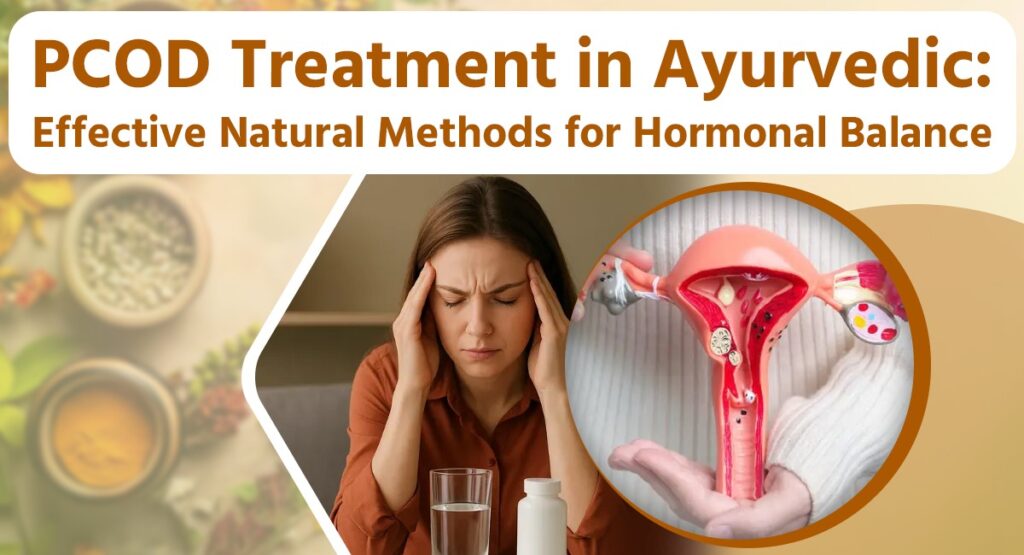
PCOD Treatment in Ayurvedic: Effective Natural Methods for Hormonal Balance
One of the most prevalent hormonal conditions affecting women of all ages, particularly those between the ages of 18 and 35, is PCOD (Polycystic Ovarian Disease). Ayurveda goes deeper than modern medicine, which frequently concentrates on controlling symptoms with hormonal pills and insulin-regulating medications.
Ayurveda uses natural and holistic therapies to find the underlying imbalance, cleanse the body, restore hormonal balance, and provide long-term relief.
This manual describes how Ayurvedic medicine treats PCOD, why it works, and
how diet, herbs, and lifestyle changes play a powerful role in natural healing.
Understanding PCOD Through Ayurveda
Ayurveda states that imbalances in Vata, Pitta, and Kapha-mainly Kapha-cause PCOD. Weight gain results from an increase in Kapha.
- formation of cysts
- sluggish digestion
- Hormonal obstructions
- erratic times
Ovulation problems, stress, and irregular menstruation are all made worse by vata imbalance. Acne, inflammation, mood swings, and hair loss are all caused by a pitta imbalance.
A customized regimen that balances all three doshas and enhances reproductive system functions is how Ayurveda treats PCOD.
Why Choose PCOD Treatment in Ayurvedic Medicine?
Ayurveda focuses on:
- Root-cause treatment as opposed to short-term respite.
Insulin resistance, inflammation, hormone imbalance, and metabolic disorders are all addressed by Ayurveda.
- Regulation of the menstrual cycle naturally
Herbs promote natural ovulation and enhance ovarian function.
- Stress management and weight
Herbs, yoga, and an Ayurvedic diet all support a healthy metabolism.
- Shodhana, or detoxification
Panchakarma treatments balance doshas and get rid of toxins.
- No adverse effects
Panchakarma treatments balance doshas and get rid of toxins.Plant-based therapies are healthy for the body.
This is one of the primary causes of the sharp rise in demand among women seeking natural healing for PCOD treatment in Ayurvedic practices.
- Best Foods to Include:
Fruits:
Papaya, pomegranate, berries, apples, guava.
Vegetables:
Bottle gourd, spinach, broccoli, beans, carrot, pumpkin.
Grains:
Ragi, barley, oats, millet, brown rice.
Healthy fats:
Ghee, coconut, nuts (in moderation), flaxseeds.
Spices:
Cinnamon, turmeric, fenugreek, cumin-help regulate blood sugar.
Proteins:
Moong dal, chana dal, lentils, eggs (optional), lean meats.
Foods to Avoid
- Sugary foods and drinks
- Bakery items (bread, cakes, biscuits)
- Junk food & fried snacks
- Red meat
- Excess dairy products
- Cold drinks & packaged juices
- Highly processed foods
- Refined flour items
An Ayurvedic diet directly supports PCOD Treatment in Ayurvedic therapies by restoring metabolic health.
Powerful Ayurvedic Herbs for PCOD Healing
Ayurveda uses specific herbs that naturally detoxify, regulate hormones, and support reproductive health.
1. Shatavari
Balances female hormones, supports ovulation, improves fertility.
2. Ashoka
Known for regulating menstrual cycles and strengthening the uterus.
3. Triphala
Detoxifies the digestive system and reduces inflammation.
4. Cinnamon
Improves insulin sensitivity and reduces PCOD symptoms.
5. Fenugreek Seeds (Methi)
Helps with weight management and lowers blood sugar.
6. Aloe Vera
cleanses the reproductive system and controls the flow of menstruation.
Because of their inherent ability to balance hormones, these herbs are frequently used in Ayurvedic medicine to treat PCOD
Panchakarma for PCOD: Ayurvedic Detox for Hormonal Balance
Panchakarma is one of Ayurveda’s most effective treatments for chronic PCOD.
1. Virechana (Detox through Herbs)
Cleanses toxins from the liver and spleen—improving hormone regulation.
2. Basti (Medicated Enema)
Balances Vata dosha, reduces ovarian cysts, and helps regulate periods.
3. Abhyanga (Warm Oil Massage)
Improves blood flow, reduces stress hormones, and boosts metabolism.
4. Shirodhara
Effective for stress-related PCOD by calming the nervous system.
5. Udvartana (Herbal Powder Massage)
Promotes fat loss and improves lymphatic circulation.
When combined with herbal therapy and diet, Panchakarma accelerates healing and supports long-term balance.
Ayurvedic Lifestyle Modifications for PCOD
Ayurveda places a strong emphasis on practicing health on a daily basis. PCOD symptoms can be considerably reduced by making modest but regular lifestyle changes.
Daily Routines for Recovery
- Brahma Muhurat, an early wake-up routine, improves natural hormone rhythms.
- 30 to 40 minutes of exercise
- cycling, yoga, walking, or at-home exercise.
- Engaging in Pranayama and Yoga
The following are the best yoga poses for PCOD:
- Bhujangasana
- Konasana Baddha
- The Malasana
- Namaskar Surya
- Bandhasana Setu
Pranayama methods:
- The Kapalbhati
- Bhramari
- Getting enough sleep (7–8 hours)
- At night, hormones are reset.
- Reduction of stress
- Breathing techniques and meditation
- Grounding procedures
- Avoid using screens late at night.
How Much Time Does Ayurvedic PCOD Treatment Take?
The length of an Ayurvedic treatment depends on:
- Age
- Constitution of the body (Dosha)
- Cyst severity
- Way of Life
- Regularity
- Timeline for results: 45-60 days Periods begin to stabilize
- 3-6 months: Symptoms lessen and hormones return to normal
- 6-12 months: Long-term gains in fertility, weight, and ovulation
- Ayurveda is natural, safe, and long-lasting, but it takes time.
Conclusion
PCOD is a metabolic and lifestyle disorder that calls for a comprehensive approach to treatment rather than band-aid solutions. Ayurveda offers a potent, all-natural, and root-cause-oriented remedy by:
- Herbal remedies
- A healthy diet
- Panchakarma detoxification
- Stress reduction
- Modification of lifestyle
You can experience better hormonal health, regular periods, improved fertility, and long-term wellness by adopting an Ayurvedic lifestyle, balancing your doshas, and eating the right foods.
Top 5 FAQs on PCOD Treatment in Ayurvedic Medicine
1. Can Ayurveda completely cure PCOD?
Yes. Ayurveda aims at treating the root cause, improving digestion, balancing hormones, and restoring normal ovarian function. Many women achieve long-term relief.
2. How long does Ayurvedic treatment for PCOD take to show results?
Mild cases improve within 2–3 months. Moderate to severe cases may take 6–12 months depending on symptoms and lifestyle adherence.
3. What is the best Ayurvedic herb for PCOD?
Shatavari, Ashoka, Triphala, Cinnamon, and Fenugreek are considered highly effective for regulating hormones and improving menstrual cycles.
4. Does Ayurveda help PCOD-related weight gain?
Yes. Ayurvedic diet, herbs, and detox therapies naturally enhance metabolism, reduce insulin resistance, and support weight loss.
5. Is Panchakarma necessary for PCOD treatment?
Not mandatory for everyone, but highly recommended for moderate to severe PCOD, especially when symptoms include weight gain, heavy bleeding, or severe hormonal imbalance.