
Ayurvedic Diet for PCOD: Foods to Eat & Avoid for Natural Healing
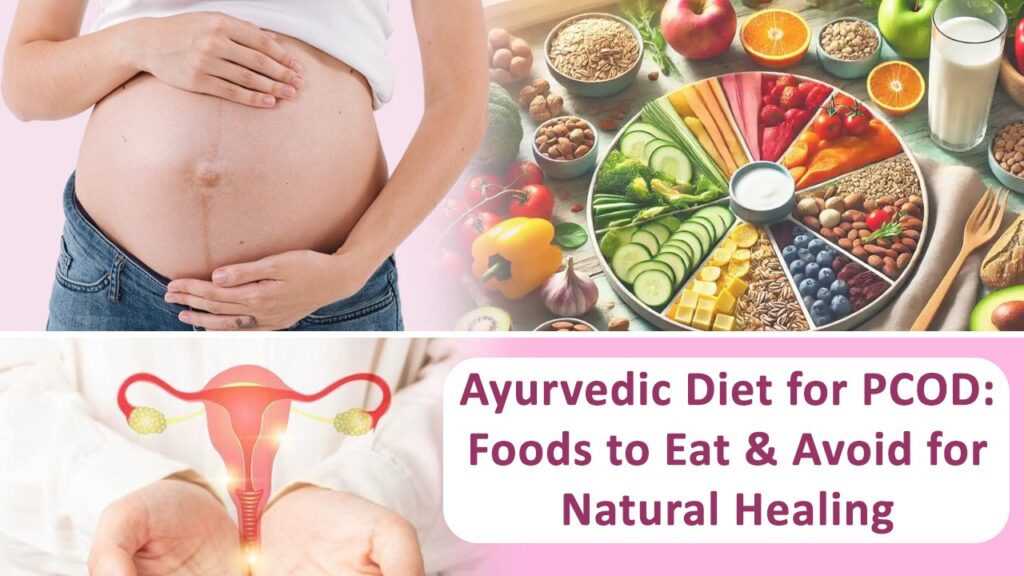
The Struggle of Eating Right with PCOD
Sneha, a 28-year-old marketing executive, faced constant frustration with her health. Her periods were irregular, weight kept increasing, and acne refused to go away — all due to PCOD. She tried multiple diet plans but none worked for long. Then she found hope in pcod treatment in ayurvedic practice.
At Aasha Ayurveda, food forms the foundation of healing. The ayurvedic diet for PCOD is not just about cutting things out — it’s about bringing balance back to the body. Ayurveda treats food as medicine, helping heal hormones, digestion, and metabolism naturally.
Understanding PCOD and Why Food Matters
PCOD is more than a reproductive issue. It’s a metabolic and hormonal condition rooted in inflammation and insulin resistance. Most modern diets often worsen these problems. But the ayurvedic nutrition for PCOD approach helps your body recover naturally.
According to Ayurveda, every food affects our inner energies or doshas—Vata, Pitta, and Kapha. When these energies go out of balance due to wrong food choices, health issues appear. Eating oily, cold, or heavy foods increases Kapha, leading to weight gain, irregular periods, and acne. Spicy or processed foods aggravate Pitta, while skipping meals disturbs Vata.
The goal of pcod treatment in ayurvedic diet planning is to bring all three doshas into balance. The right selection of foods, timing, and combinations can regulate hormones, support healthy ovulation, and strengthen digestion.
Why Diet Matters in PCOD
Many pcod causes in Ayurveda are linked to improper eating and lifestyle habits. Ayurveda believes digestion (Agni) controls overall health. When digestion weakens, toxins called Ama accumulate, disturbing hormones and metabolism.
A proper ayurvedic diet for PCOD keeps digestion strong, improves insulin sensitivity, and reduces inflammation. At Aasha Ayurveda, experts create personalized meal plans alongside natural food remedies for PCOD to restore balance.
Foods to Include in an Ayurvedic Diet for PCOD
A healing ayurvedic diet for PCOD emphasizes fresh, warm, and light meals that nourish the body and relieve hormonal blockages. These foods calm the doshas and refresh energy naturally.
1. Whole Grains and Fiber-Rich Foods
Whole grains like quinoa, barley, millet, oats, and brown rice provide long-lasting energy and control sugar levels. Their high fiber content improves digestion and prevents sudden hunger. These grains are vital in ayurvedic nutrition for PCOD because they support a healthy metabolism and weight.
2. Fresh Fruits and Vegetables
Filling your plate with colorful vegetables and seasonal fruits helps detoxify the body. Spinach, bottle gourd, and fenugreek balance hormones. Fruits like papaya, kiwi, berries, and apples are packed with antioxidants that reduce inflammation and repair tissues. They play a big role in natural food remedies for PCOD, helping the body stay strong and clear.
3. Healthy Proteins
Ayurveda promotes balanced protein intake. Lentils, chickpeas, and beans strengthen muscles and stabilize blood sugar. If your body type allows, occasional fish or eggs may also help. These proteins support pcod treatment in ayurvedic methods by improving body strength and tissue repair.
4. Beneficial Fats
Good fats are essential for hormone health. Ghee, coconut oil, and sesame oil keep hormones functioning properly and reduce inflammation. Almonds, walnuts, and flaxseeds also support fertility and skin health. In ayurvedic nutrition for PCOD, pure ghee is considered one of the best healthy fats for women.
5. Healing Herbs and Spices
Indian kitchens are full of healing ingredients. Turmeric, cinnamon, fenugreek, ginger, and cumin are not just flavor enhancers—they’re powerful healers. They improve digestion, regulate blood sugar, and ease swelling. These spices are seen as essential in pcod treatment in ayurvedic healing because they keep the inner system clean and active.
Foods to Avoid in PCOD According to Ayurveda
Avoiding certain foods helps the body recover faster. Ayurveda teaches that some things directly disturb the doshas and weaken metabolism. In a pcod treatment in ayurvedic diet, it’s best to stay away from:
- Refined sugar and processed food: These increase insulin resistance and worsen hormonal imbalance.
- Fried or oily foods: They increase Kapha and slow down digestion.
- Red meats and excessive dairy: These create heat and cause inflammation.
- Packaged junk food: These block energy channels and produce Ama (toxins).
Avoiding these foods supports natural food remedies for PCOD and helps the body regain balance faster.
Ayurvedic Recipes for PCOD: Healing Through Taste
The beauty of Ayurveda is that it doesn’t make you give up taste. You can eat well and still heal deeply. Here are a few easy and nourishing ayurvedic recipes for PCOD that bring joy and wellness together:
- Vegetable Khichdi: Made with rice, moong dal, and vegetables, cooked with a pinch of turmeric and cumin. It cleanses and nourishes the system.
- Herbal Smoothie: Blend spinach, soaked fenugreek seeds, almond milk, and berries. It’s a perfect morning drink to reduce Kapha and boost energy.
- Spiced Oats: Oats cooked with turmeric, cinnamon, and crushed nuts make a warm and wholesome breakfast ideal for hormonal balance.
These simple ayurvedic recipes for PCOD provide comfort, nourishment, and balance—helping women stay consistent with their diets.
Practical Benefits of an Ayurvedic Diet
Following the ayurvedic diet for PCOD brings gradual yet long-lasting improvements. When combined with the right herbs and daily routines, the transformation is holistic and visible.
- Natural Menstrual Cycle: Periods become regular without dependency on pills.
- Weight Management: Digestion improves, metabolism strengthens, and fat reduces naturally.
- Better Fertility: Nutritious foods and detoxification restore ovulation and reproductive strength.
- Healthy Skin & Energy: Reduction in inflammation leads to glowing skin and renewed vitality.
- Emotional Stability: Balanced doshas help calm mood swings and stress.
The results of pcod treatment in ayurvedic diets go beyond the physical—they revive emotional and hormonal well-being.
Integrating Diet with Ayurvedic Therapies
Food is one part of healing. At Aasha Ayurveda, treatments are designed to work in harmony with your diet. When combined with therapies, the effects of natural food remedies for PCOD become stronger and longer lasting.
- Herbal Supplements: Herbs like Shatavari, Ashoka, and Guduchi support reproductive balance.
- Panchakarma Therapies: Detox treatments like Abhyanga (oil massage) and Basti (medicated enema) clear toxins and regulate hormones.
- Yoga & Breathing: Daily yoga and pranayama manage stress and improve blood flow—essential for hormonal repair.
Together, these support complete wellness in women following ayurvedic nutrition for PCOD at Aasha Ayurveda.
Begin Your Journey to Nourishing Health
Healing with food is not about restriction—it’s about rediscovering balance. Through ayurvedic nutrition for PCOD, women can regain energy, fertility, and mental peace. The tailored guidance at Aasha Ayurveda ensures diet and therapy work hand-in-hand for lasting results.
The ayurvedic diet for PCOD, along with pcod treatment in ayurvedic methods, strengthens the digestive system, clears toxins, and supports healthy hormones. With patience, mindfulness, and the right food, every woman can heal naturally.
Let food be your medicine. And let wellness become your everyday lifestyle. Begin your journey to balanced health and harmony today with Aasha Ayurveda.
FAQs
Q1. Can diet alone manage PCOD symptoms?
Diet plays a major role, but when combined with pcod treatment in ayurvedic therapies like herbal detox, benefits become deeper and long-lasting.
Q2. How long does it take to see results?
Most women see progress in 2–4 months when they follow the ayurvedic diet for PCOD consistently.
Q3. What are the best natural food remedies for PCOD?
Whole grains, green vegetables, turmeric, cinnamon, and ghee are top natural food remedies for PCOD.
Q4. Which foods should be avoided?
Avoid refined sugar, fried snacks, packaged junk food, and excess dairy—these are key foods to avoid in PCOD Ayurveda.
Q5. Can ayurvedic recipes for PCOD aid fertility?
Yes, these ayurvedic recipes for PCOD strengthen ovulation and balance hormones, improving fertility naturally.